Using AI Well Is Becoming a Form of Judgment
The advantage is shifting from accessing AI to knowing when to trust, question and redirect it.

As AI becomes ordinary, human judgment becomes a key differentiator.
Generation is easy; evaluation is harder
AI can produce plausible answers quickly, but plausibility is not the same as correctness, relevance or good judgment. A polished response can still rest on weak assumptions. The user needs enough understanding to notice missing context, questionable claims and answers that satisfy a prompt while missing the real objective.
The quality of the task matters
Good AI use begins before the prompt. What are you actually trying to accomplish? Which constraints matter? What should the output allow you to decide or do? A vague task delegated efficiently remains a vague task.
Know when not to delegate
Not every cognitive task should be outsourced. Some work is valuable because doing it develops understanding: forming an argument, wrestling with a new concept, reading primary material or making an important judgment. The question is not only whether AI can do the task, but what happens to your capability if it always does it for you.
Judgment becomes the advantage
As AI interfaces become easier, access itself becomes less differentiating. The durable advantage is combining machine speed with human context, skepticism, responsibility and taste. AI literacy increasingly looks like a practical layer of everyday judgment.
From our library

What Remains: A Crossing Toward the Essence That Endures Time
A philosophical journey toward what remains when noise, roles, urgency, and the need for control begin to fall away.
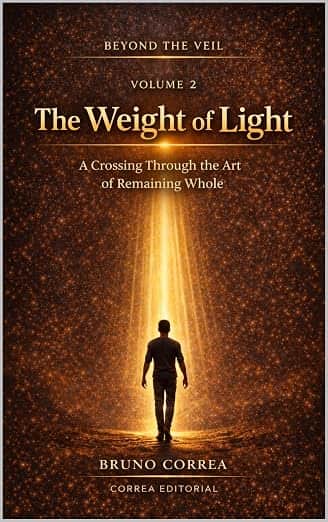
The Weight of Light: A Crossing Through the Art of Remaining Whole
After awakening comes the harder task: remaining whole. A philosophical journey into living with awareness, coherence, and truth in ordinary life.
Keep exploring

Related books
What Remains: A Crossing Toward the Essence That Endures Time
A philosophical journey toward what remains when noise, roles, urgency, and the need for control begin to fall away.
The Weight of Light: A Crossing Through the Art of Remaining Whole
After awakening comes the harder task: remaining whole. A philosophical journey into living with awareness, coherence, and truth in ordinary life.