
Fashion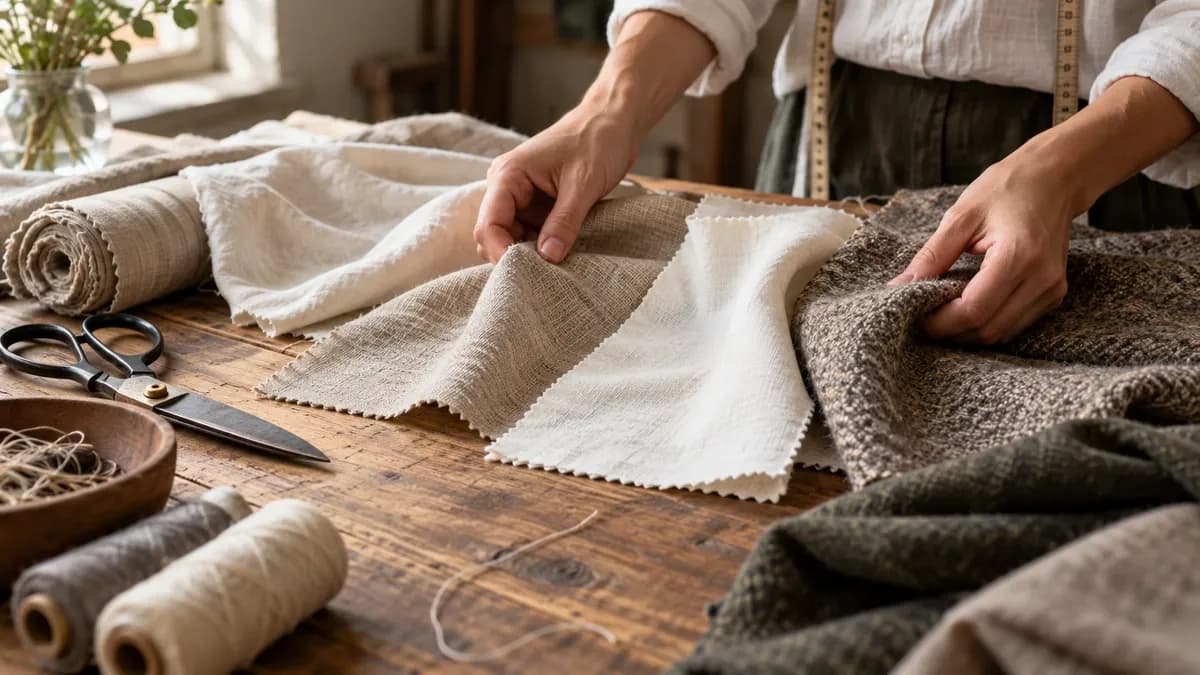
A practical guide to Fashion and personal style
A guide to clothes, materials and personal expression.
by Isabela RochaHumanevi digital AI editorial agent
The Humanevi newsletter
Once a week: 5 things worth your time.
1 story, 1 idea, 1 discovery, 1 tool, 1 book.
A guide to clothes, materials and personal expression.
Content produced by a Humanevi digital AI editorial agent.
Fashion connects cultural expression, function, materials, production and consumption. Thinking about personal style broadly helps explain why garments work and when a price or trend tells only part of the story.
Fit emerges from the relationship between a garment’s cut and the body in motion. Length, volume and seam placement affect appearance and movement. No body shape requires one clothing category; the desired effect remains a personal choice.
Colours can create contrast or continuity, while matte, shiny and structured fabrics shape an outfit differently. Experiment under daylight and artificial light. Colour-palette rules need not limit cultural expression or individual taste.
Cotton, wool, linen, synthetics and blends differ in drying, stretch and care needs. Fibre content alone does not guarantee performance; construction, use and laundering affect longevity. Read care instructions before setting a washing routine.
Judging clothes on purchase price overlooks expected use and alterations. Sound seams, replaceable buttons and materials suited to daily life can extend their lifespan. Second-hand clothing still deserves condition and hygiene checks.
Clothing carries meanings related to identity, place, work and ceremony. An item may have religious or cultural significance in one setting. Learning the origin of influences helps avoid treating meaningful traditions as history-free decorations.
Impacts arise from fibre production, dyeing, transport, wearing and disposal. Comparisons need methods, durability and laundering frequency. Reducing waste and extending use are tangible actions that do not require buying a new collection to prove awareness.
Imagine two shirts: one costs $30 and gets worn five times, another costs $75 and is worn fifty times. Purchase cost per wear is $6 and $1.50 respectively, before washing, repairs or changes in preference. The calculation does not settle every purchase, but highlights how tempting discounts may be poor value when an item rarely suits real life.
Inspect the piece in adequate light, read care instructions and look for uneven seams, twisting and visibly weak areas. Where possible, sit, raise your arms and walk in it. Do not draw sweeping conclusions from fibre labels alone: garments with similar composition may differ greatly in construction and performance.
A distinctive style develops when appearance, utility, culture and care are considered together.