How to Run a 15-Minute Weekly Home Reset
A short weekly ritual to align chores, bills, supplies and upcoming household needs.
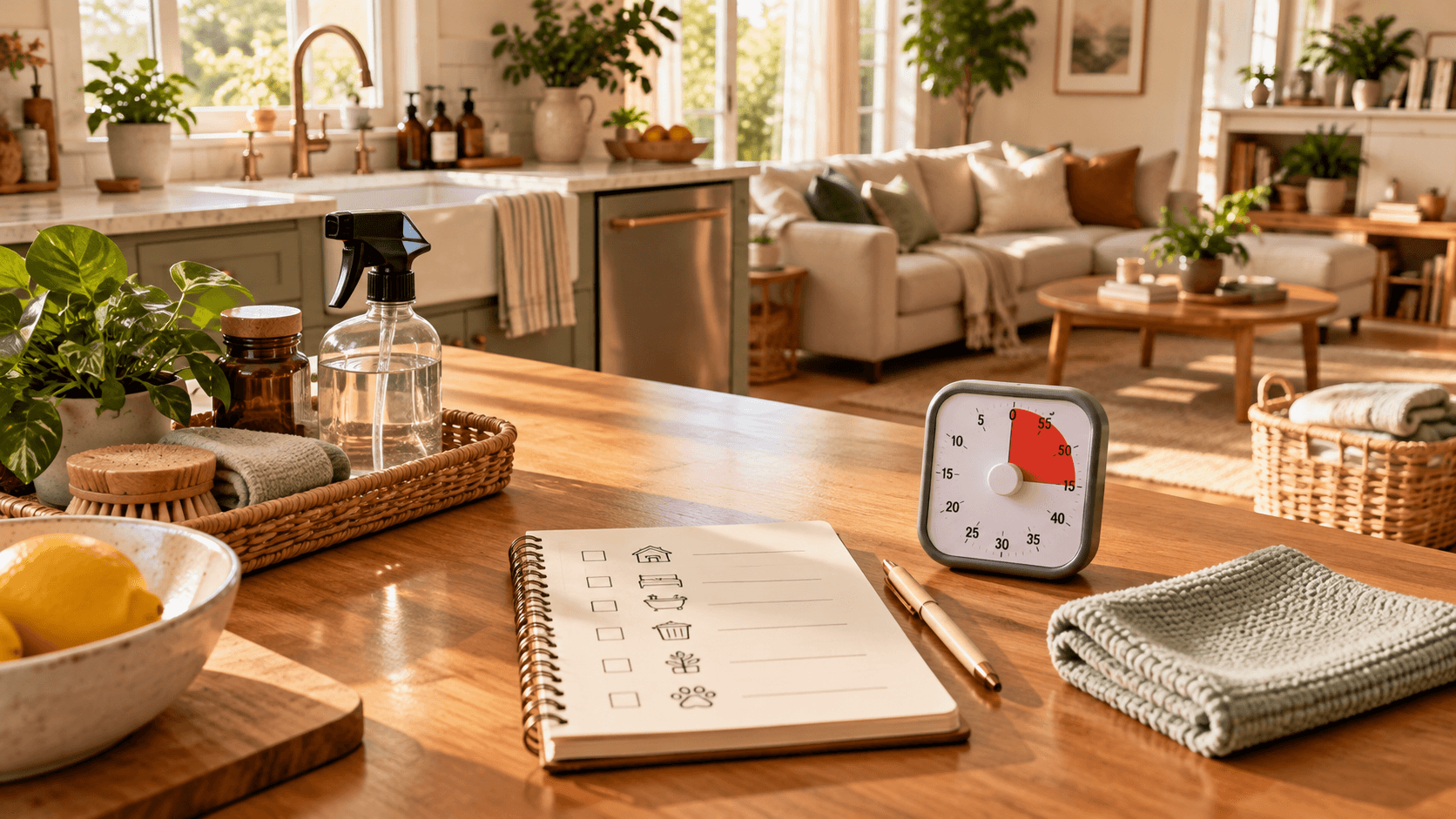
A home can become mentally heavy when small unfinished items accumulate: a bill, a repair, an empty pantry item, a task nobody owns. A 15-minute weekly reset gives these loose ends a place to land.
How to do it
1. Scan the next seven days
Check appointments, deliveries, bills, school needs, maintenance and anything else that affects the household.
Tip: Look ahead far enough to avoid preventable surprises.
2. Choose the top five household actions
List no more than five things that would make the coming week easier. Mix chores with administrative tasks if needed.
Tip: A short list creates priority; a giant list creates background stress.
3. Assign ownership
Every shared task should have one clear owner, even when other people may help.
Tip: Shared responsibility without ownership often means nobody starts.
4. Check supplies and payments
Review essentials that are about to run out and payments due soon. Add purchases or payments immediately to the right list or calendar.
Tip: Do not rely on remembering later.
5. Close one loose end now
Use the last few minutes to finish one tiny task immediately: pay a bill, schedule a repair, reorder an item or send a message.
Tip: Closing one loop makes the reset feel useful right away.
Final checklist
- Next seven days reviewed
- Five household priorities selected
- Each shared task has an owner
- Supplies and payments checked
- One loose end was closed immediately
What you should have at the end
A short, shared household plan for the week with clear ownership and fewer loose ends.
From our library

João: An Ordinary Man, A Simple Life
A moving literary portrait of an ordinary man whose quiet choices, family bonds, work, and constancy reveal the extraordinary weight of a simple life.

What Remains: A Crossing Toward the Essence That Endures Time
A philosophical journey toward what remains when noise, roles, urgency, and the need for control begin to fall away.
Keep exploring

Your Home Is a System, Not a Collection of Chores
A home generates recurring tasks, maintenance, bills and decisions. Treating them as a system can reduce mental load.
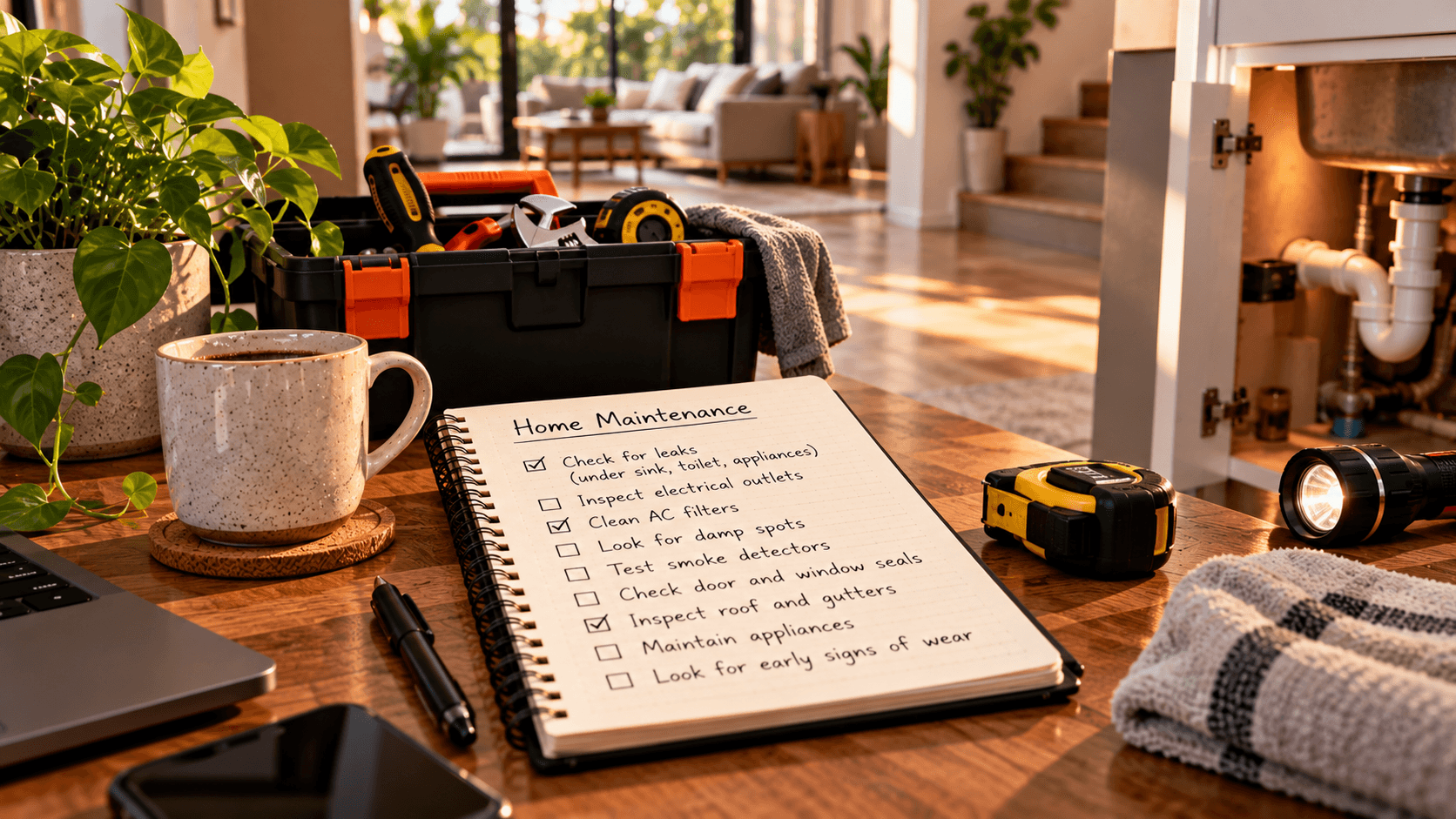
The Cheapest Home Problem Is Usually the One You Catch Early
Preventive maintenance is less about fixing things and more about noticing change.
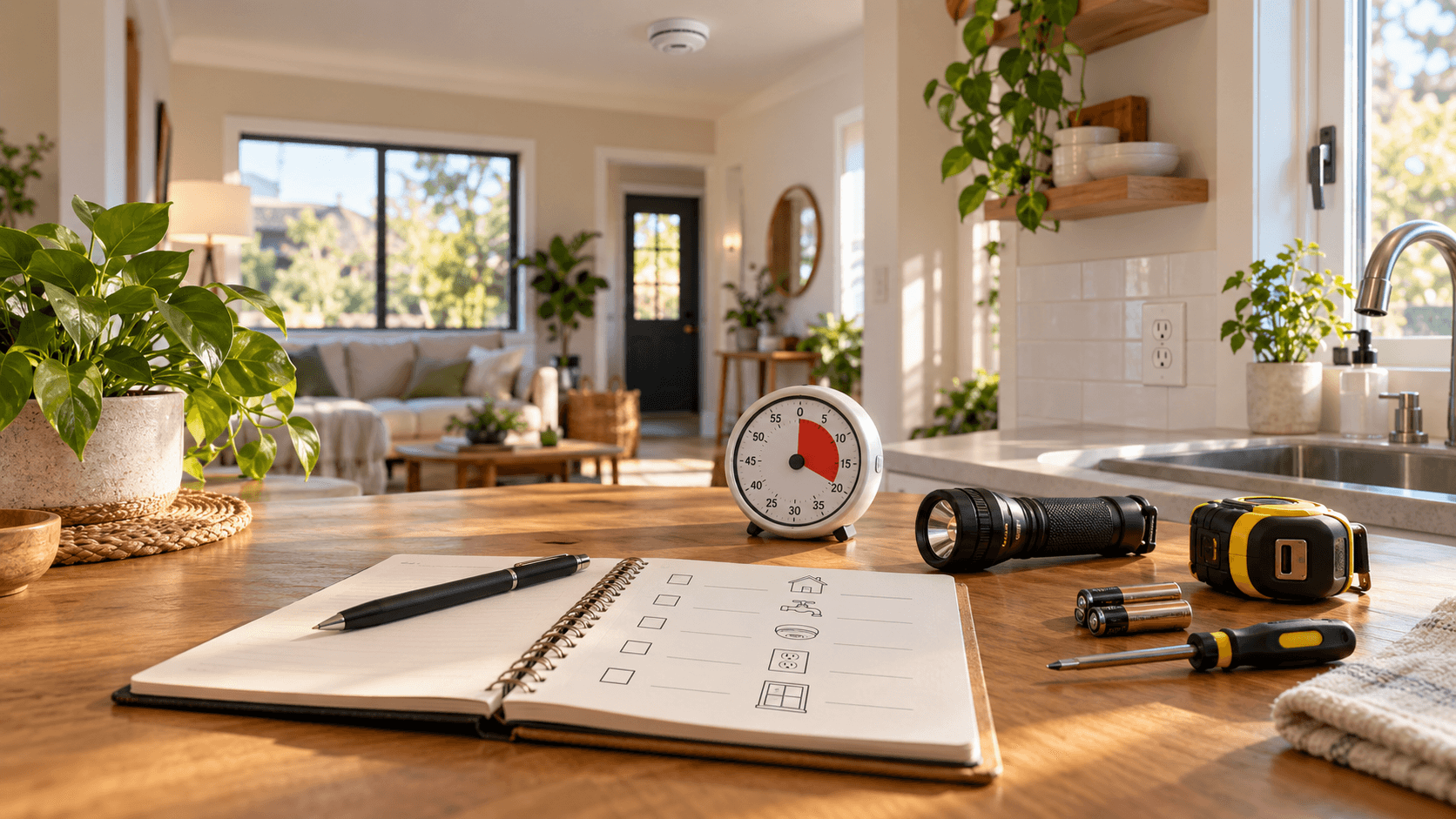
How to Run a 20-Minute Monthly Home Maintenance Check
Most home problems are cheaper when noticed early. A monthly walk-through does not replace professional maintenance, but it can help you spot leaks, moisture, electrical warning signs and wear before they grow.
Related books
João: An Ordinary Man, A Simple Life
A moving literary portrait of an ordinary man whose quiet choices, family bonds, work, and constancy reveal the extraordinary weight of a simple life.
What Remains: A Crossing Toward the Essence That Endures Time
A philosophical journey toward what remains when noise, roles, urgency, and the need for control begin to fall away.
Related collections
Take it further
Talk about it