A House Is Never Completely Finished — and That May Be Part of What Makes It Home
Homes are not static projects. They keep changing because the people inside them keep living.

There is a quiet fantasy behind the idea of the ideal home: one day everything will finally be done.
The furniture will be in the right place. Every repair will be complete. Storage will make sense. Nothing will be missing. Every room will look intentional. We will look around and think: now it is finished.
That day almost never comes.
Homes keep generating unfinished work
A shelf needs adjusting. A wall gets marked. A family grows. A routine changes. Something breaks. New needs appear. A space that once worked well becomes inconvenient.
That can feel like failure if we think of the house as a project with a final state.
A home is not a product that reaches version 1.0 and stays there. It is an environment adapting to life.
Use leaves evidence
Real homes accumulate traces. Toys appear where they should not. Chairs move. Drawers become chaotic. A corner that looked perfect in a photograph starts serving a different purpose.
These things can be annoying. They can also be proof that the home is being used rather than merely preserved.
Order should serve life, not replace it
Organization matters. Maintenance matters. A calm environment can reduce stress. But there is a difference between caring for a home and expecting the people inside it to behave as if they were protecting a showroom.
The goal of domestic organization is not to eliminate evidence of life. It is to reduce enough friction that life can happen more easily.
What we remember is rarely the perfect surface
Years later, we may not remember whether a shelf was perfectly styled or whether every cabinet was finished. We may remember who sat at the table. Who ran through the hallway. Which conversations happened late at night. Which ordinary Sundays somehow became part of the family story.
A beautiful house is an achievement. A lived-in home is a relationship.
Perhaps a house is never really finished because the people inside it are never finished either. Needs change. Seasons change. Families change. And the space follows.
That does not make the home incomplete. It makes it alive.
From our library

João: An Ordinary Man, A Simple Life
A moving literary portrait of an ordinary man whose quiet choices, family bonds, work, and constancy reveal the extraordinary weight of a simple life.

What Remains: A Crossing Toward the Essence That Endures Time
A philosophical journey toward what remains when noise, roles, urgency, and the need for control begin to fall away.
Keep exploring
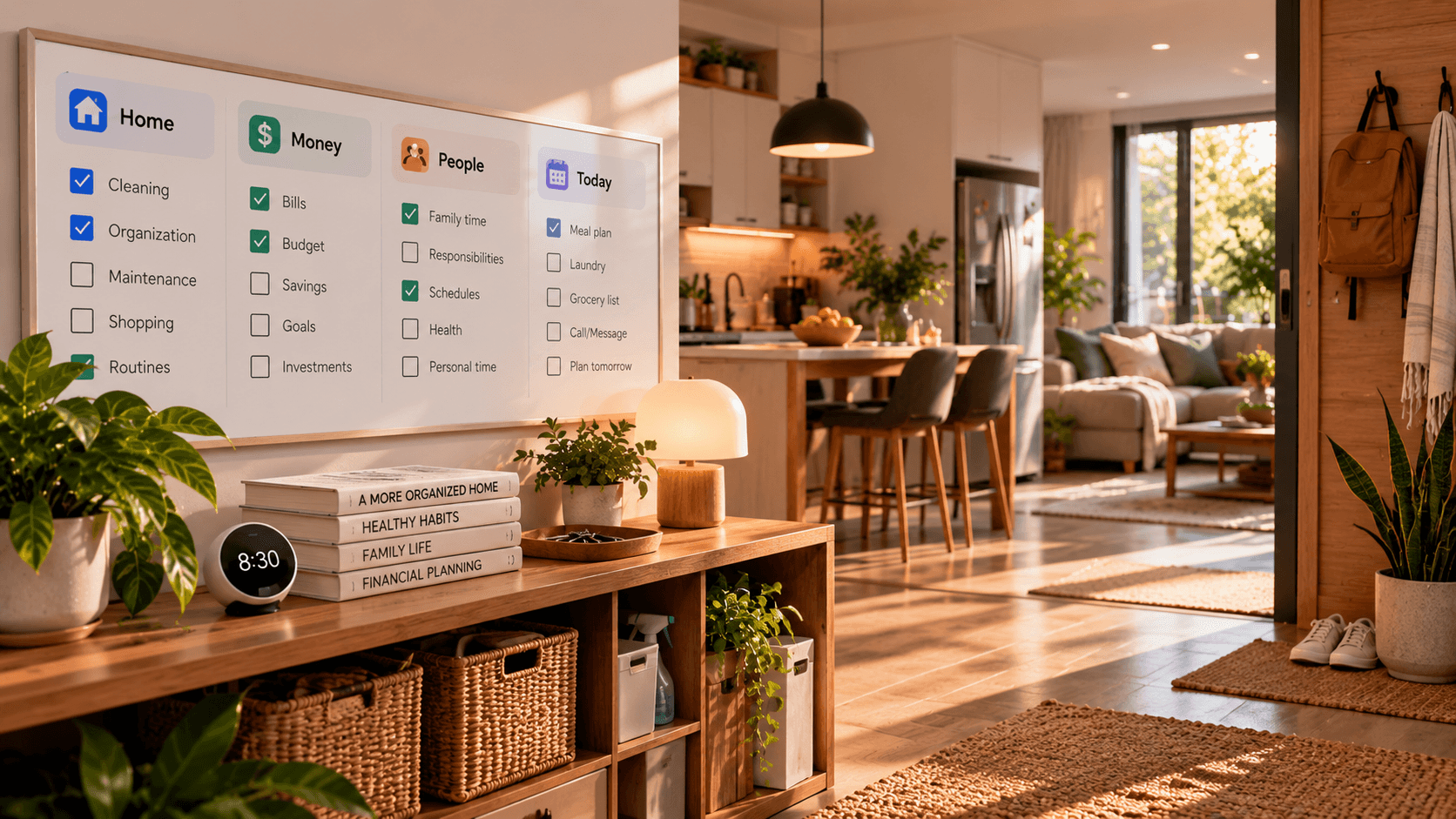
Your Home Is a System, Not a Collection of Chores
A home generates recurring tasks, maintenance, bills and decisions. Treating them as a system can reduce mental load.
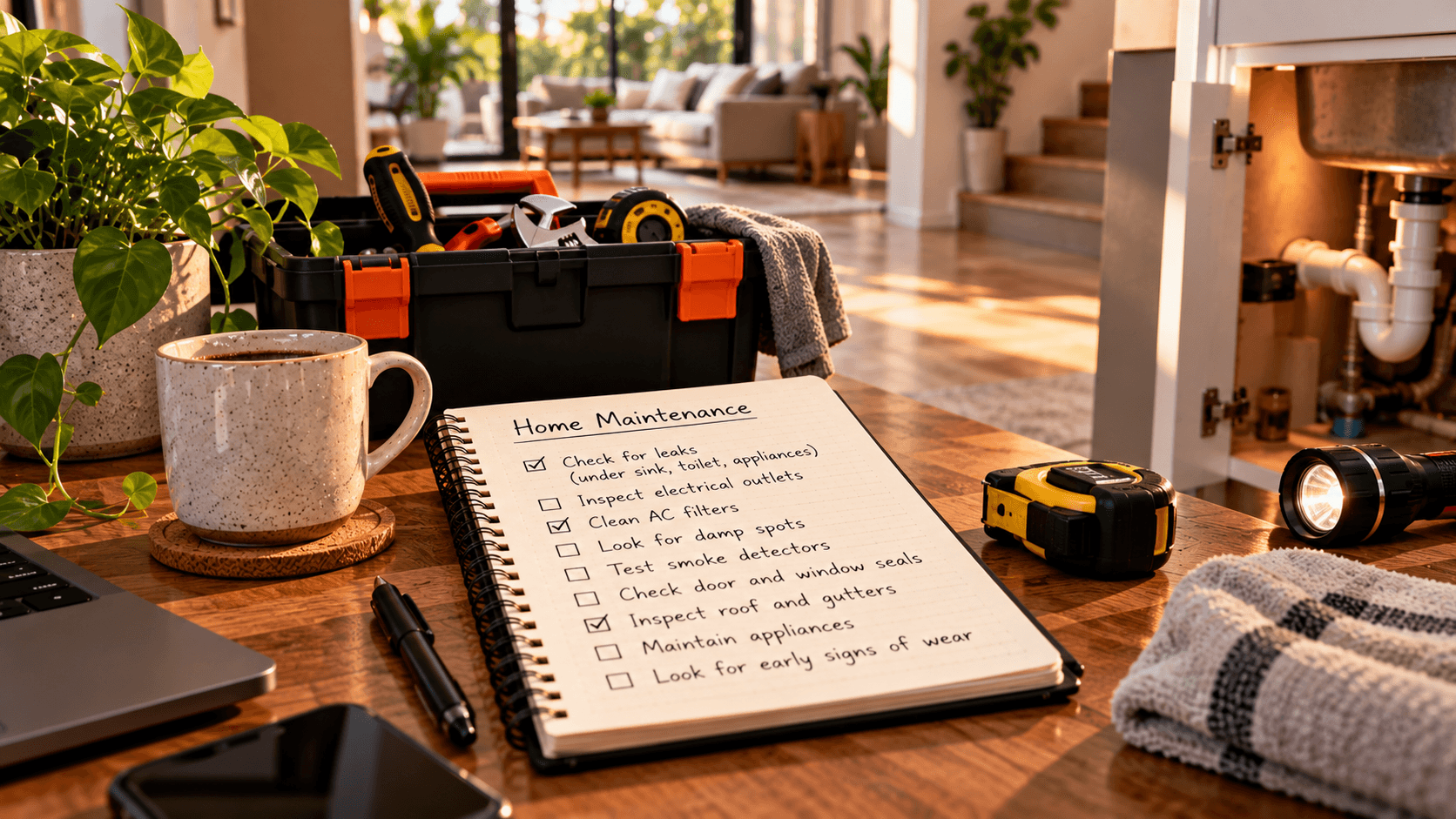
The Cheapest Home Problem Is Usually the One You Catch Early
Preventive maintenance is less about fixing things and more about noticing change.
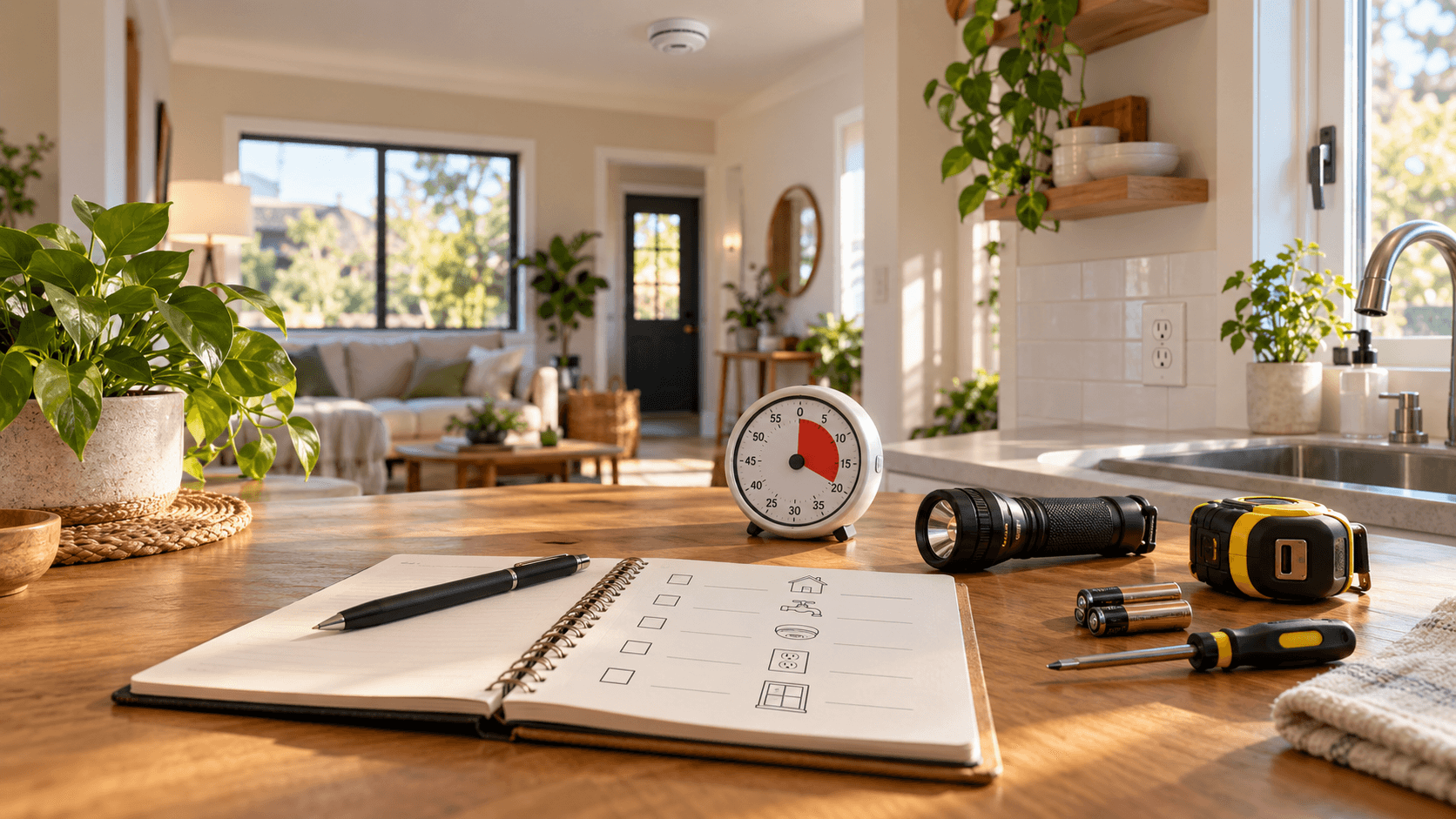
How to Run a 20-Minute Monthly Home Maintenance Check
Most home problems are cheaper when noticed early. A monthly walk-through does not replace professional maintenance, but it can help you spot leaks, moisture, electrical warning signs and wear before they grow.
Related books
João: An Ordinary Man, A Simple Life
A moving literary portrait of an ordinary man whose quiet choices, family bonds, work, and constancy reveal the extraordinary weight of a simple life.
What Remains: A Crossing Toward the Essence That Endures Time
A philosophical journey toward what remains when noise, roles, urgency, and the need for control begin to fall away.
Related collections
Take it further
Talk about it