
The Humanevi newsletter
Weekly
Once a week: 5 things worth your time, not your feed. No noise, unsubscribe anytime.
1 story, 1 idea, 1 discovery, 1 tool, 1 book.
The Humanevi newsletter
Once a week: 5 things worth your time, not your feed. No noise, unsubscribe anytime.
1 story, 1 idea, 1 discovery, 1 tool, 1 book.
Set your practice-hours goal and see how much time is left at your current pace.
Use whatever estimate makes sense for the skill — there's no one universal number that's right for every skill.
Hours remaining
950 hours
Weeks remaining at your pace
190 weeks
The hours needed to master a skill vary a lot by person and by skill — use your own estimate, not a fixed rule.
A calculator that projects how long remains until you reach a practice-hours goal in a skill, such as an instrument, programming, drawing or a sport. It suits anyone who wants to move past a vague 'someday I will master this' and see a concrete timeline given how much they can practice each week.
You enter your total hours goal (your own estimate), the hours you have already practiced and the hours you can practice per week. The tool subtracts practiced hours from the goal to get hours remaining (never below zero) and divides by weekly hours to get weeks remaining. If weekly hours are zero, weeks show as 0. It does not use the 10,000-hour rule; the goal is always yours.
A goal of 500 hours, 120 already practiced and 8 hours a week. That leaves 500 - 120 = 380 hours. Divided by 8, it is 47.5 weeks, a little under 11 months. Raise it to 10 hours a week and the projection falls to 38 weeks.
The hours goal is your own estimate; there is no universal number for mastering a skill, and practice quality matters as much as quantity. The projection assumes a steady pace with no breaks.
Reusable notebook pages can support repeated note-taking and scanning workflows. A practical category guide to help compare options before choosing a specific listing.
Physical flashcards make active recall and spaced review tangible. A practical category guide to help compare options before choosing a specific listing.
A physical countdown timer makes focus intervals visible without a phone. A practical category guide to help compare options before choosing a specific listing.
Colored highlighters help distinguish topics in printed notes. A practical category guide to help compare options before choosing a specific listing.
Josh Waitzkin, a former chess prodigy and Tai Chi Push Hands champion, recounts his path and the learning principles he drew from it.
Cal Newport explores how sustained concentration can support demanding work and meaningful learning in a world full of interruptions.
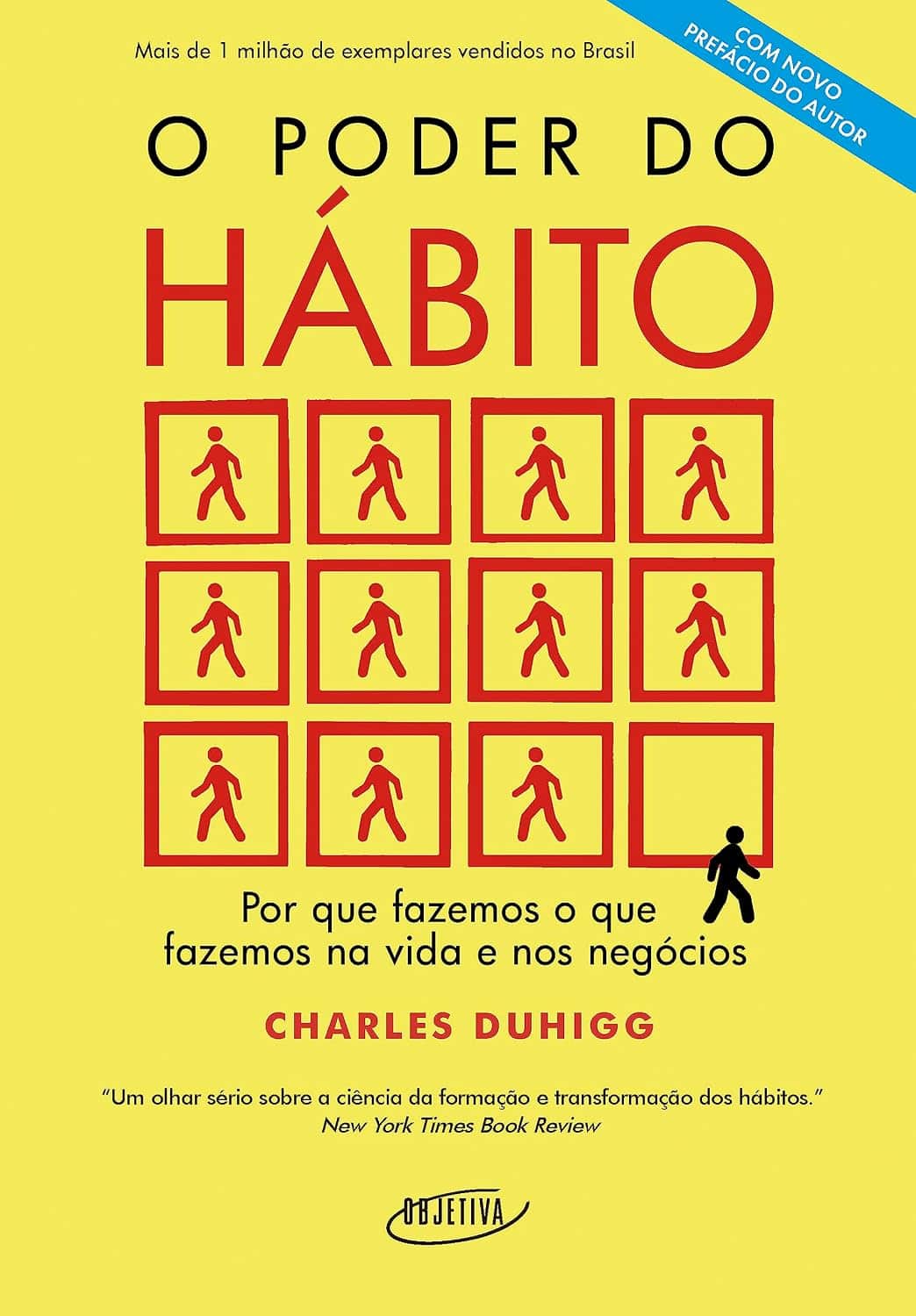
Journalist Charles Duhigg shows how habits form through a loop of cue, routine and reward, and how that loop can be redesigned in people, companies and communities.
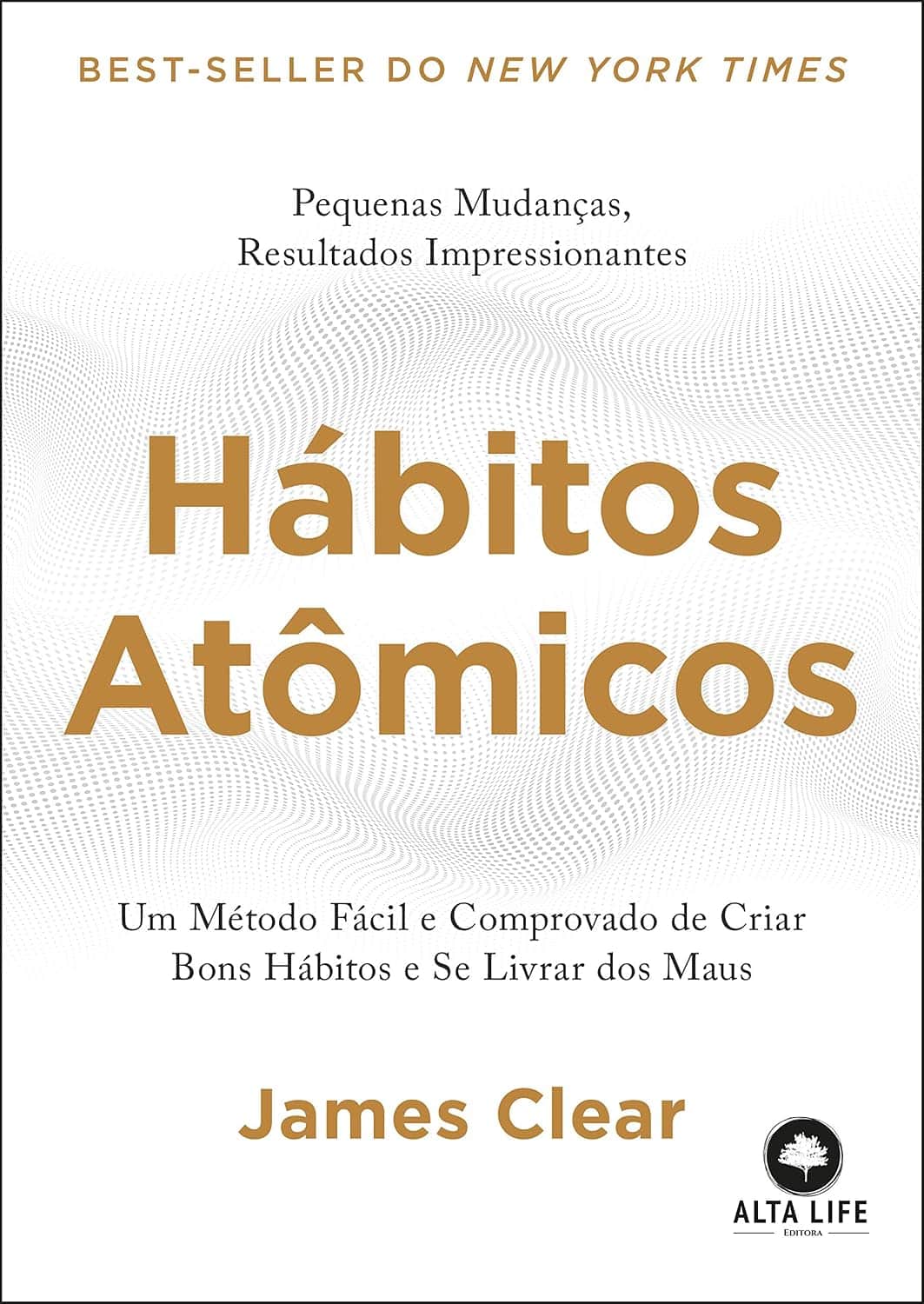
James Clear's book on habit formation, arguing for small daily changes and offering four laws for building good habits and breaking bad ones.
Waiting for complete readiness can delay learning. A better loop combines foundations, practice, feedback and adjustment.
If you are returning to study, begin with a small routine that generates feedback. Four weeks can organize materials, reveal weaknesses and test a sustainable strategy. The first study method need not be perfect; it must reveal progress and enable adjustment.
Long study hours do not automatically produce learning. Attention, retrieval, practice and error correction matter, adjusted to the material and the demands of the assessment. Good study methods show what you can remember, understand and apply without assistance.