How driver-assistance systems work
Driver-assistance systems combine sensors, software and actuators to help with specific driving tasks
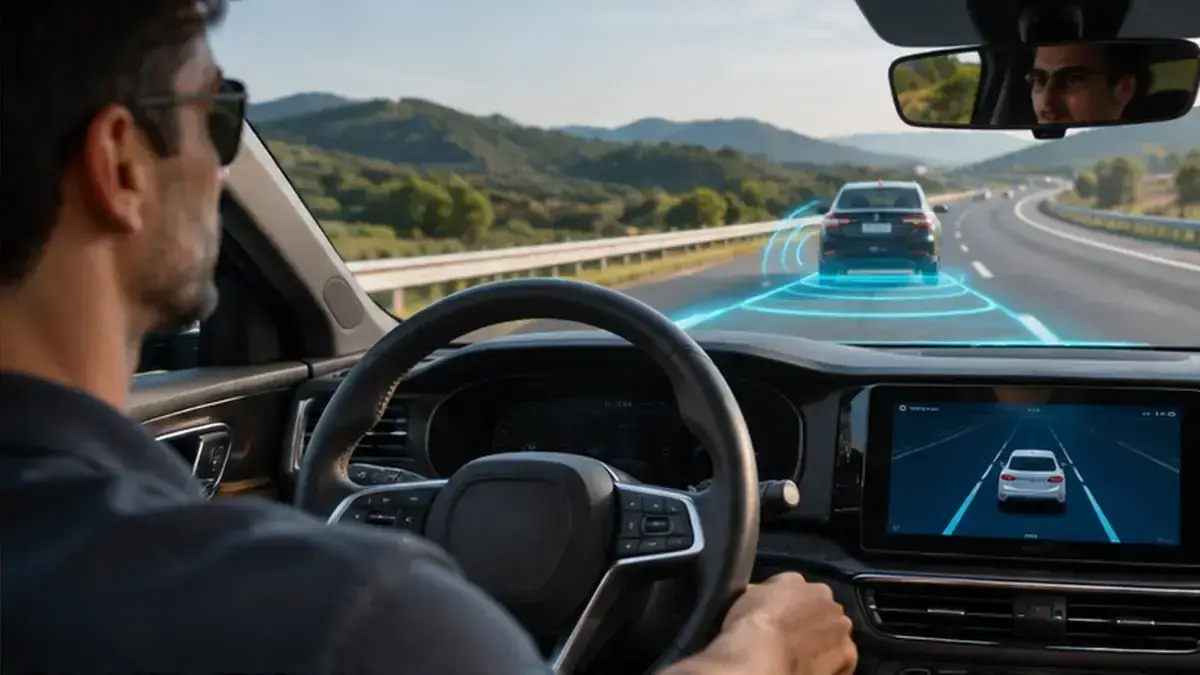
Driver-assistance systems combine sensors, software and actuators to help with specific driving tasks. Braking for an obstacle and maintaining distance are different from autonomous driving. Responsibility and limitations must be understood before trusting a dashboard display.
The context that changes the answer
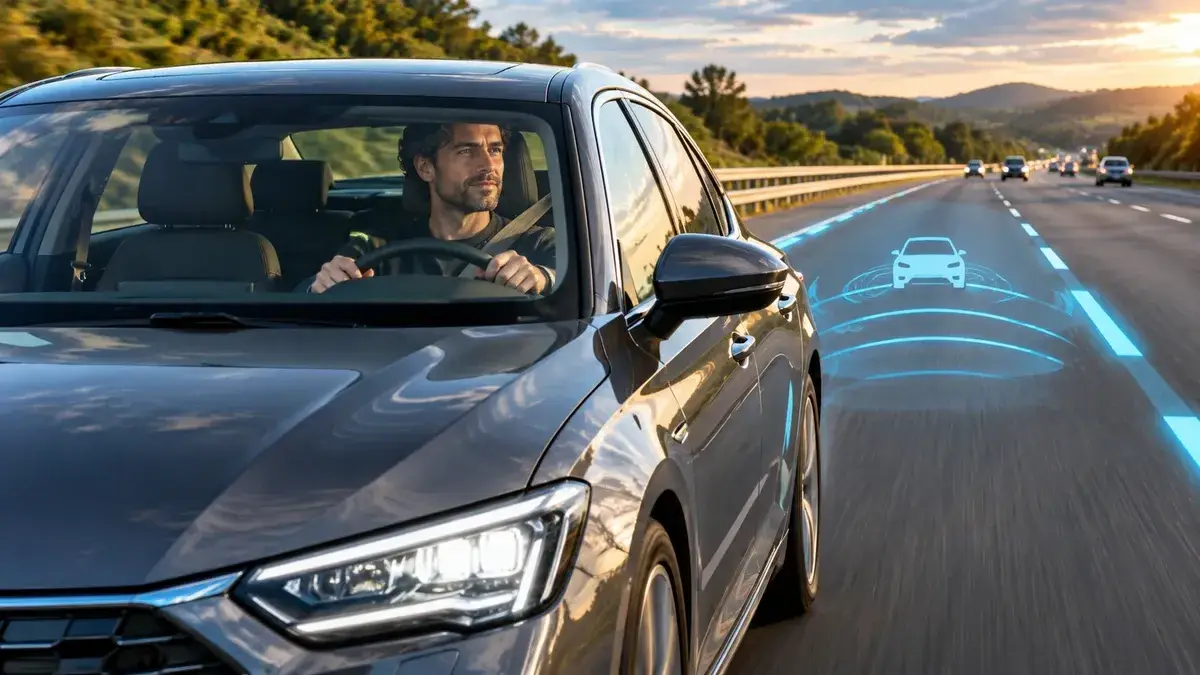
Cameras, radar and other sensors detect lanes and objects within the conditions described by the manufacturer. Algorithms interpret the data and may warn, brake or assist with steering.
How it works in practice
Lane keeping, automatic emergency braking and adaptive cruise control are not identical capabilities. Drivers should read the manual to understand the speeds, roads and circumstances in which each operates.
What a concrete example reveals
Picture a well-marked highway in dry weather. The system may maintain distance comfortably, yet heavy rain or faded markings can restrict the same function while the driving task still requires human attention.
Benefits worth considering
Assistance has the potential to reduce certain crashes and driver workload when used as designed. Warnings may highlight risks a person notices too late, but they do not replace defensive driving.
Real limits and risks
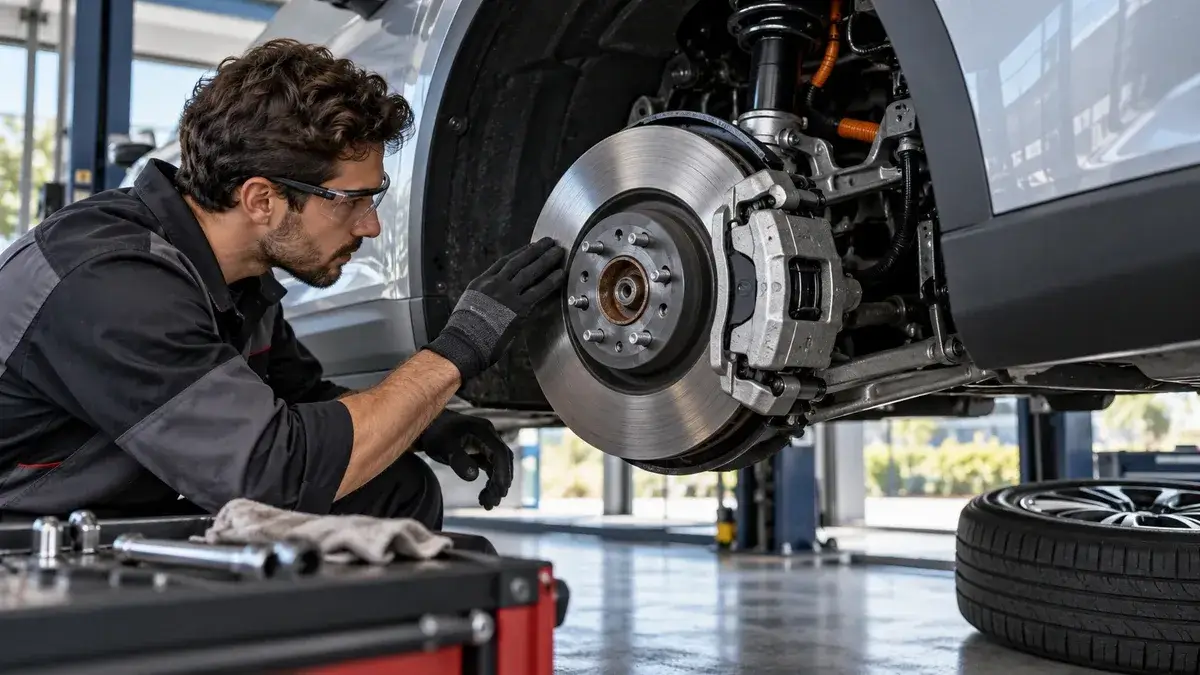
Sensors can struggle with dirt, glare, fog, complex curves and unusual obstacles. Marketing names may exaggerate the level of autonomy and encourage misuse.
Instead of accepting a broad promise, identify the variable that actually explains the outcome. Separate observations, hypotheses and evidence; compare alternatives under similar conditions; record what remains unknown. One successful example does not prove a universal rule, and one bad experience does not establish that an entire approach fails.
How to make an informed assessment
Before driving, check sensor cleanliness, calibration requirements, manual warnings and indicators showing whether the feature is active. Stay alert, follow the law and never assume the vehicle can handle every circumstance alone.
When numbers appear, ask where they came from, which period they cover and whether the situation is comparable. For practical choices, weigh cost, effort, reversibility and safety; for cultural subjects, respect local perspectives and primary sources.
What to watch going forward
Technical classifications distinguish automation levels and who remains responsible. New features will require transparent operating conditions and safety evaluation in real-world situations.
Frequently asked questions
What should I check before drawing conclusions?
Cameras, radar and other sensors detect lanes and objects within the conditions described by the manufacturer. Algorithms interpret the data and may warn, brake or assist with steering. Distinguish what the evidence establishes from what depends on specific conditions, and verify that the sources apply to the situation you are considering.
Why is one experience not a definitive answer?
Sensors can struggle with dirt, glare, fog, complex curves and unusual obstacles. Marketing names may exaggerate the level of autonomy and encourage misuse. Contexts, devices, places and people can produce different outcomes, so compare limitations as carefully as compelling examples.
What is a responsible first step?
Before driving, check sensor cleanliness, calibration requirements, manual warnings and indicators showing whether the feature is active. Stay alert, follow the law and never assume the vehicle can handle every circumstance alone. Prefer verifiable and reversible decisions when possible, keep a record of the evidence considered and be ready to revisit the assessment as information changes.
Takeaway
Assistance should support an attentive driver, not tempt the person to abandon responsibility. Understanding exactly what a vehicle can and cannot do is part of safe technology use.
This article is for information. Rules, conditions and evidence can change; confirm specifics with official sources and qualified professionals when decisions involve safety, health or money.