Public charging for electric vehicles: connector types and billing
Not every charger suits every car. Understand the most common connectors, power levels and payment methods.
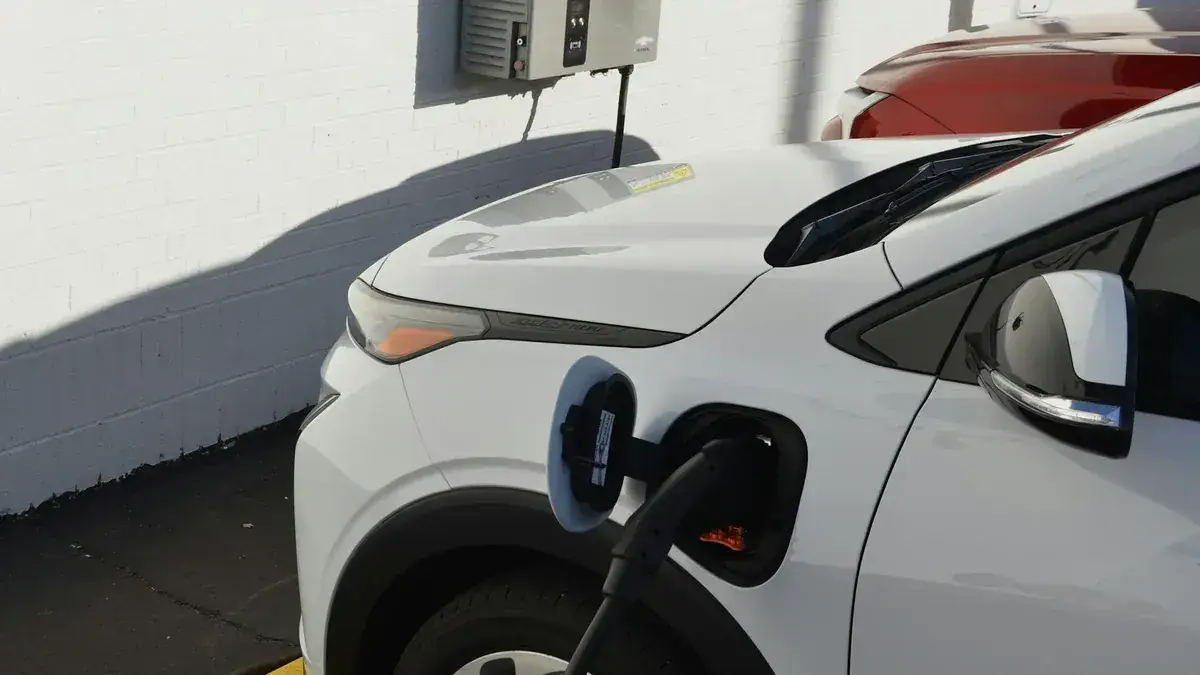
Short answer: in public charging of an electric vehicle, what matters is matching the car's connector with the charger's, understanding whether charging is alternating current (slower) or direct current (fast), checking the power and knowing how billing works: by energy consumed, by time or by session. Standards vary by country and by model. This text is general and names no networks or models.
Types of current
- Alternating current (AC). The car converts the energy internally. It is common in lower-power chargers, in car parks, shopping centers and homes, and takes more time.
- Direct current (DC). Conversion takes place in the charger, allowing higher power and fast charging. It is common on highways and transit points.
Connectors
Connector standards vary by region. There are connectors used for AC and connectors used for DC, and some combine both functions. Some manufacturers use their own standards. Adapters may exist in some cases, but they must be compatible and safe. Check the vehicle manual for which connector is accepted and which power levels it supports.
Power and time
The charger's power, measured in kilowatts (kW), influences charging time, but it is also limited by the car's and the battery's capacity. A car that accepts little power will not charge faster on a powerful charger. Speed can also drop when the battery is nearly full.
Billing methods
- By energy consumed (kWh). The most common and transparent method.
- By time of use. Charged per minute or hour, regardless of the energy delivered.
- By session. A fixed amount per connection.
- Subscriptions or plans from networks, with different prices.
- Additional fees, such as occupancy fees, when the car stays connected after charging ends.
- Free charging, in places that offer it as a benefit.
Payment methods and access
Apps, network cards, credit cards directly at the equipment or contactless readers. Some networks require prior registration. Before a trip, check that you will have access to points along the route.
Tips
- Plan stops with charging apps and maps.
- Check availability, faults and prices before going.
- Respect the time of use and free up the bay when done.
- Keep the payment receipt.
Counterpoints
Infrastructure varies widely between regions, and standards are still consolidating. This can cause confusion, but the trend is toward greater standardization and interoperability.