Why conventional brakes still matter in electric cars
Regenerative braking recovers some energy, but friction brakes remain essential.
Two mechanisms working together
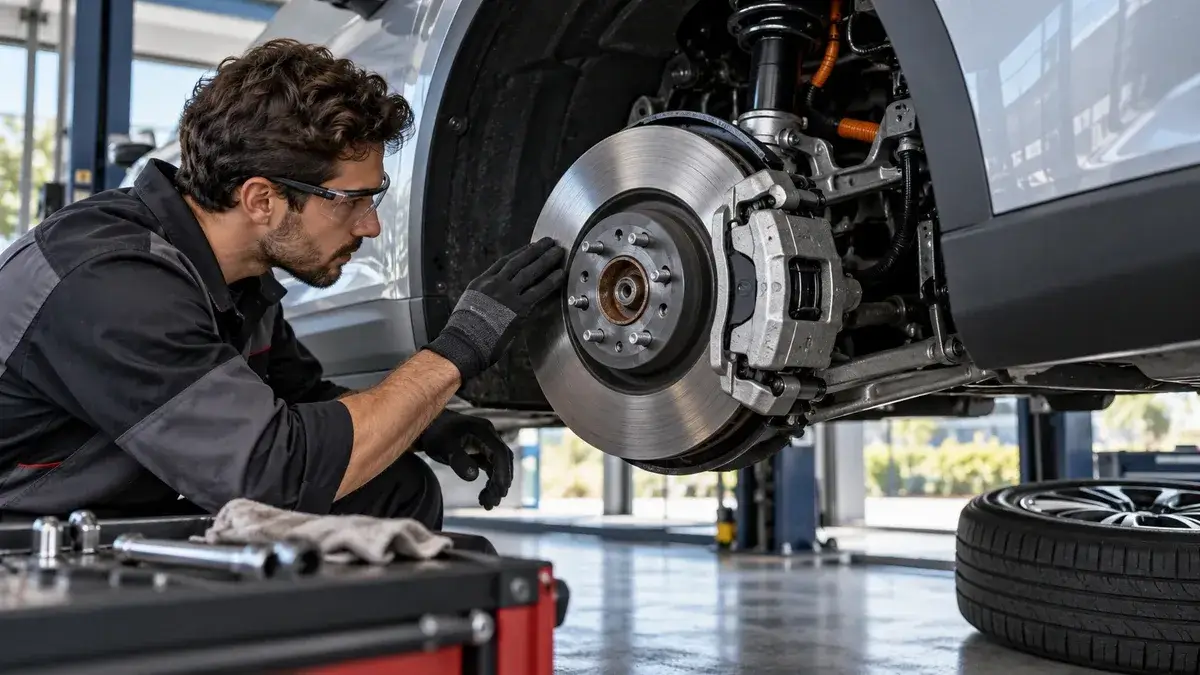
Electric vehicles can slow down by operating the traction motor as a generator, converting some kinetic energy into electricity returned to the battery. This is regenerative braking. The vehicle nevertheless retains friction brakes, typically discs and pads, which dissipate energy as heat. NHTSA explains that conventional brakes remain necessary in various situations. Regeneration and mechanical braking are not competing systems: they work together to deliver predictable deceleration when the driver needs to control speed or stop.
When regeneration becomes limited
Energy recovery depends on battery temperature, state of charge, vehicle speed, traction and how much current the system can accept. With a very full battery, there may be little capacity to store recovered energy. Under certain conditions regenerative deceleration becomes weaker. The vehicle should manage transitions among braking methods, but the driver should not assume that releasing the accelerator always produces exactly the same slowing force. Manufacturer instructions explain the specific behavior of each model.
Emergencies demand braking force
Rapid stops can require more deceleration than the motor can provide while recovering electricity. Conventional brakes then supply additional force under the vehicle's safety controls. Features such as antilock braking and electronic stability control remain relevant because they help manage wheel grip. The engineering varies by manufacturer, and drivers should learn the behavior described in the owner's manual. A one-pedal driving mode does not remove the obligation to understand and use the brake pedal when necessary.
Reduced wear is not zero maintenance
Regeneration reduces some use of brake pads and can extend friction-component life, as noted by the U.S. Department of Energy. However, discs, calipers, fluid, hoses and actuation systems still need inspection and maintenance. Depending on the environment, components used less often may develop corrosion or other problems. Never postpone checks merely because an electric car experiences less wear during light braking. Safety depends on the entire system functioning as designed, not only on the energy recovery feature.
How everyday driving feels
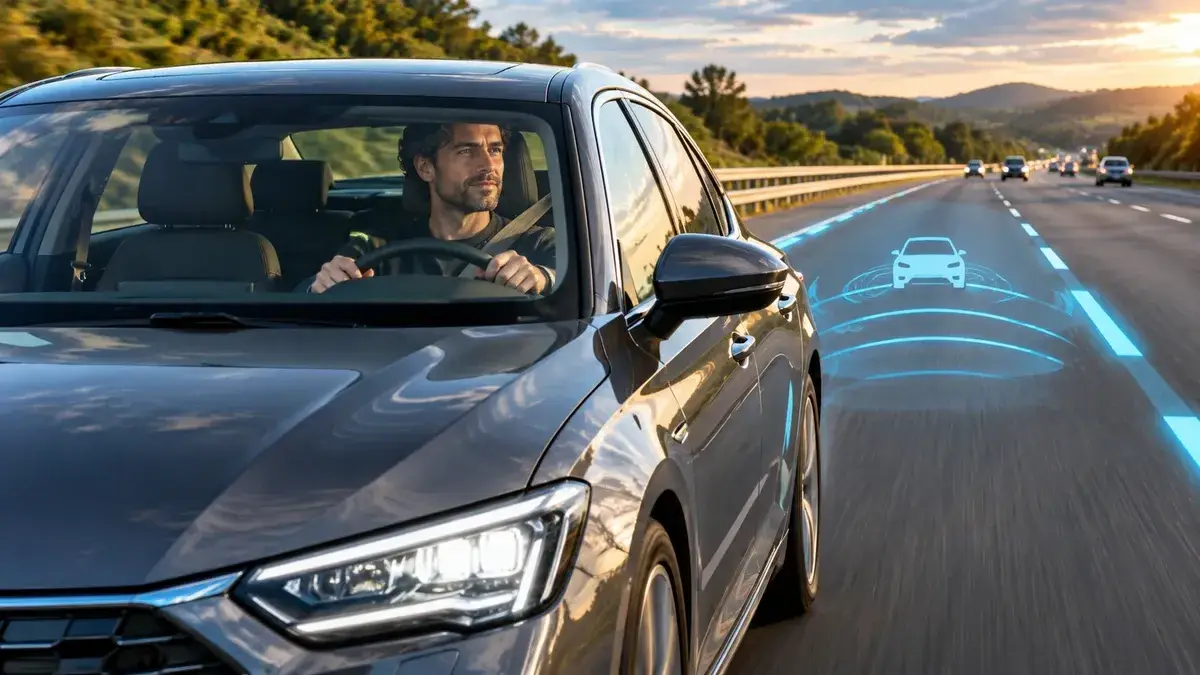
In many electric vehicles, drivers can select regeneration levels and feel deceleration after easing off the accelerator. Others behave more like conventional cars. Some models automatically blend regenerative and friction braking when the brake pedal is pressed. Adaptation should take place in a safe environment and follow the manufacturer's guidance. Rain, long descents and changes in road grip require attention, while no driving mode replaces keeping an appropriate following distance from other vehicles.
Efficiency is not the same as safety
Recovering energy may reduce consumption, especially on routes with frequent deceleration. The benefit depends on driving conditions and should never encourage abrupt braking merely to generate electricity. Anticipating traffic and selecting appropriate speeds generally supports both efficiency and safety. Regeneration does not create free energy: it captures part of the energy that would otherwise become heat. The primary purpose of braking remains reliable vehicle control, regardless of how much electricity happens to be recovered.
What to check when buying or servicing
Before purchasing an electric vehicle, safely experience how different regeneration settings behave and read the maintenance schedule. Review inspection history, warning messages, software updates and any recalls applicable to the model. Changes in pedal feel, braking alerts or unexpected deceleration deserve prompt professional assessment. The right balance is to benefit from electric-motor efficiency without forgetting the essential role conventional brakes play whenever system limits are approached.