What to check before buying a used electric car

Start with your actual driving needs, not advertised range
A used electric car can fit everyday life very well, but choosing one starts before meeting the seller. Record how far you normally drive, how often you take longer trips, whether you can charge at home and which chargers serve your usual routes. The range shown in an advertisement was measured under particular conditions and is not a guaranteed distance. Hills, weather, speed, passenger loads and climate control change energy use. Compare your daily needs with a practical safety margin rather than choosing solely on the largest published range figure.
Ask for evidence about the traction battery
The high-voltage battery is a major part of the car's value. Its usable capacity can gradually decline with age, temperature, usage and charging habits, but mileage alone does not determine its condition. Ask whether a battery-health report is available from the manufacturer or a qualified workshop, when it was prepared and which method was used. Distinguish estimated capacity, the range displayed on the dashboard and a technical diagnosis. These measures are related but not interchangeable. Do not rely on a single percentage without knowing its source, test conditions and any recorded warnings.
What a range test can and cannot prove
A short test drive is useful for noticing noise, braking, comfort and the operation of vehicle systems, but it cannot establish the battery's remaining capacity. Dashboard range estimates may reflect the previous driver's recent consumption. Request an assessment suitable for that model, review service records and ask about any module replacements. If a seller offers test results, request the date, procedure and full report. A sound decision combines different pieces of evidence instead of treating one reading as a promise of future performance.
Check connectors, charging and software
Identify the connector standards the vehicle uses, whether it supports direct-current fast charging and what charging power it can actually accept. A plug's physical shape does not guarantee compatibility with every station. Inspect the supplied cables, approved adapters and charge port, and ask to see a charging session work. Find out whether the model still receives software updates, how they are installed and whether any features require subscriptions. Demonstrating charging in practice may uncover faults that photographs or a quick drive around the block cannot reveal.
Investigate ownership, accidents and repairs
Request the vehicle identification number and consult the records available in the country where you are buying. Look for ownership history, servicing, collisions, flooding, legal restrictions and outstanding safety recalls. No database is complete: repairs can go unreported, and a clean history report is no substitute for an in-person inspection. Look for moisture, corrosion and signs of structural repairs, especially near the underbody and electrical components. Never open, probe or dismantle high-voltage equipment yourself. These checks belong to trained professionals using appropriate safety procedures.
Arrange an independent inspection
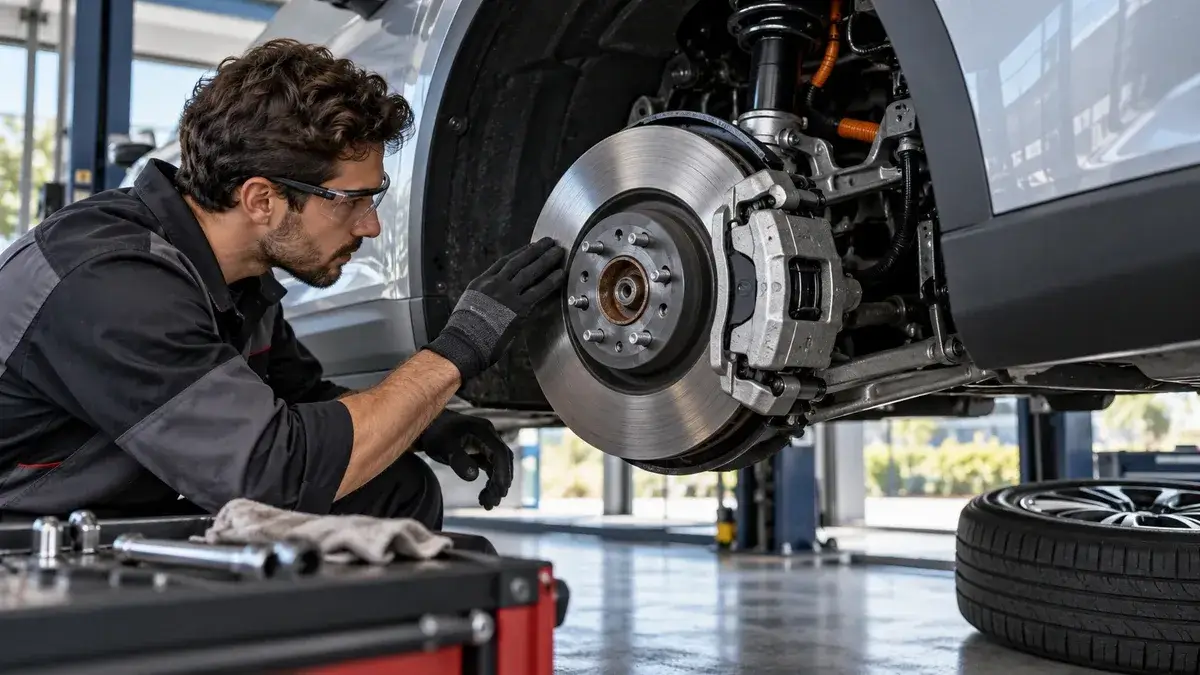
Even when a dealership says the car is certified, an inspection commissioned by the buyer helps reduce conflicts of interest. Ask the inspector to assess suspension, tyres, conventional brakes, steering, air conditioning, onboard electronics, charging equipment and battery-system warnings. Regenerative braking does not remove the need to maintain friction brakes. Obtain a written report that describes defects and estimates repair costs. If the seller refuses every reasonable option for an independent inspection, consider that a warning sign and compare other vehicles before committing.
Understand warranties and the full cost
Read the battery and vehicle warranty documents carefully. Check the time and mileage limits, any covered capacity-loss threshold, exclusions and whether coverage transfers to a new owner. Terms differ by manufacturer, market and model year. Compare insurance, tyres, routine service, parts availability and the possible cost of installing a home charger. The purchase price is only one component of ownership cost. Seek estimates for major repairs and confirm qualified support exists locally. Never assume that warranty rules described for another country apply to your transaction.
Negotiate with evidence and keep records
Gather the documents, independent inspection results and a conservative estimate of likely expenses. Use them to negotiate without assuming that every used electric vehicle has a failing battery or that every example is flawless. Put promises about repairs, accessories, charging cables, updates and warranties in writing. Check local ownership-transfer and consumer-protection rules before paying. A prudent purchase does not require predicting the battery's exact remaining life. It requires checking what can be measured, understanding what cannot and making sure the asking price reflects those uncertainties.
A final checklist for your decision
Before signing, confirm five essentials: the car can cover your journeys with a buffer; you understand the battery assessment; charging works where you need it; the history and independent inspection reveal no overlooked risks; and the overall cost fits your budget. If a critical question remains unanswered, allow time to investigate. The best purchase is not automatically the lowest-priced listing. It is the one where price, technical condition, charging access and paperwork make sense together. This framework also makes it easier to compare different models without relying on advertising claims.