Stop Collecting Courses and Start Building Projects
Learning accelerates when knowledge has somewhere concrete to go.

A useful idea is not valuable only because it sounds right. Its value appears when it changes how we see, decide or act.
The challenge is creating enough distance from automatic habits to notice what is actually happening.
Consumption feels safe
Courses create a clear path: watch the next lesson, complete the next module, follow the instructor. That structure is useful, but it can also create the feeling of progress without requiring independent decisions.
Projects expose gaps
A project forces knowledge into contact with reality. Suddenly you discover what you did not understand, which details matter and where instructions stop being enough. Those gaps are not evidence of failure; they are a map of what to learn next.
Make the project small
Do not begin with a masterpiece. Build something small enough to finish but real enough to create problems. A simple website, analysis, essay, automation, presentation or prototype can turn abstract knowledge into working understanding.
Use courses as tools
Courses become more valuable when they answer questions created by practice. Instead of finishing ten courses before starting, alternate learning and building. The project gives the course context; the course gives the project new possibilities.
From our library
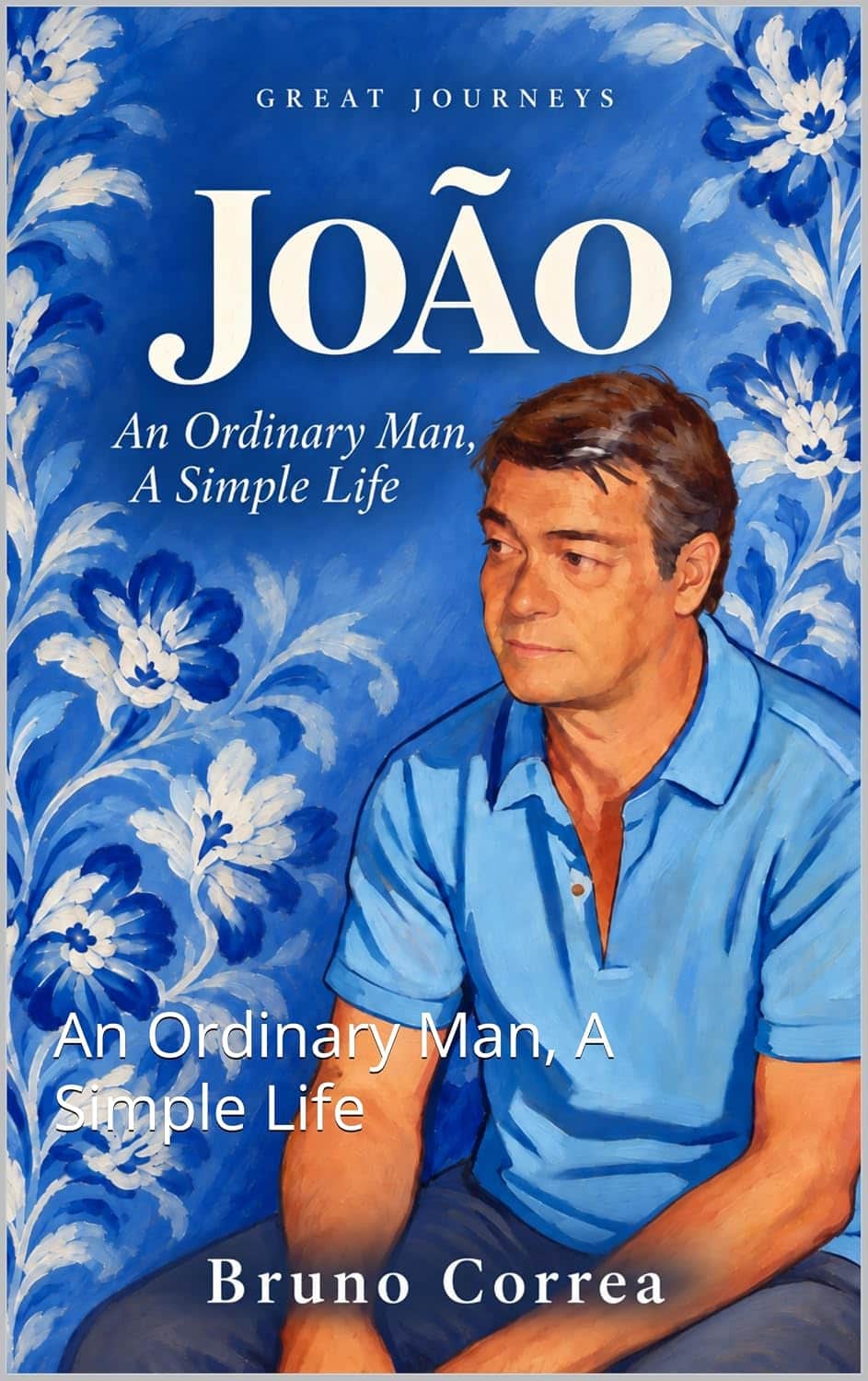
João: An Ordinary Man, A Simple Life
A moving literary portrait of an ordinary man whose quiet choices, family bonds, work, and constancy reveal the extraordinary weight of a simple life.
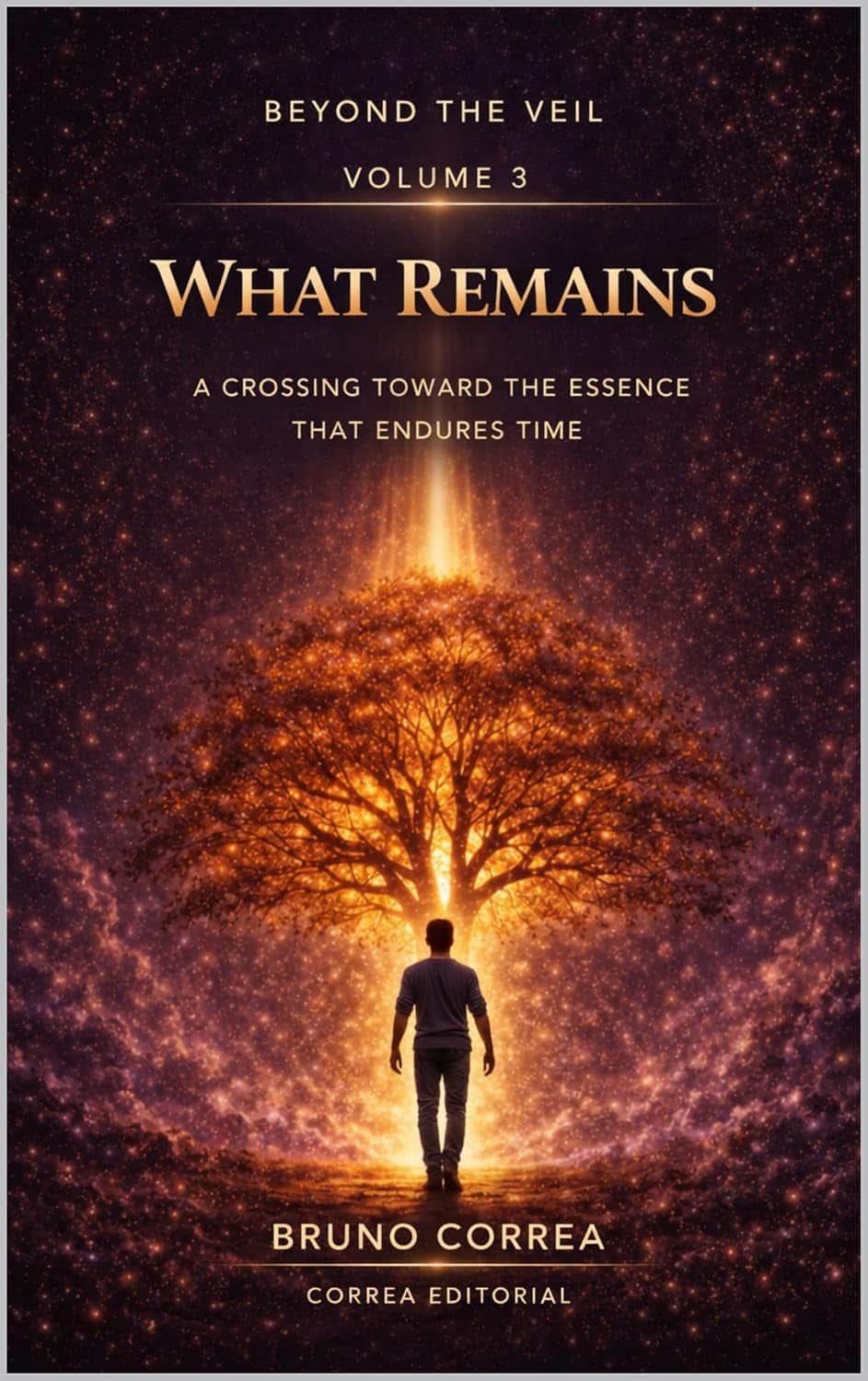
What Remains: A Crossing Toward the Essence That Endures Time
A philosophical journey toward what remains when noise, roles, urgency, and the need for control begin to fall away.
Keep exploring

The Skill of Learning Before You Feel Ready
Waiting for complete readiness can delay learning. A better loop combines foundations, practice, feedback and adjustment.
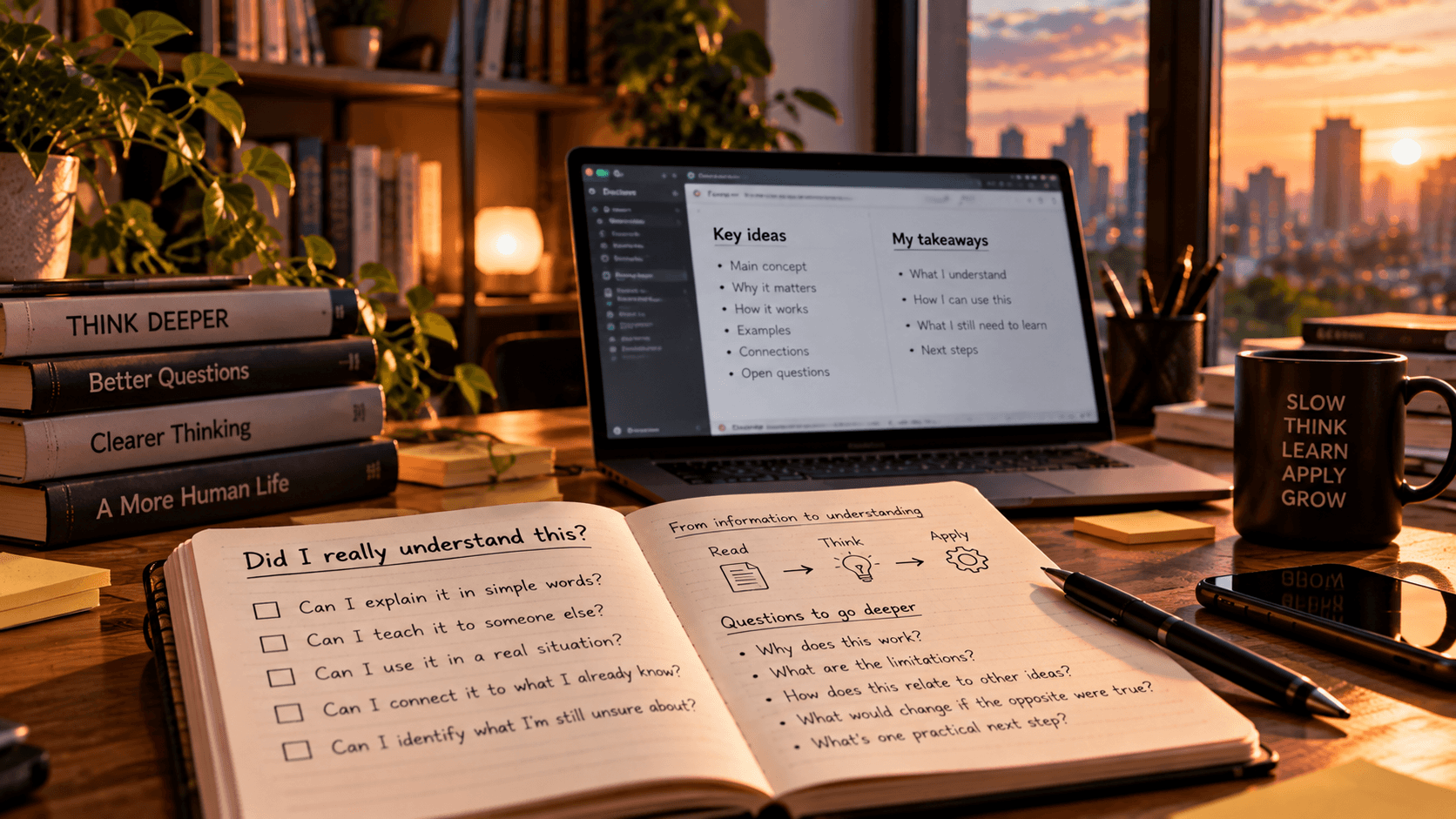
How to Know Whether You Actually Understand Something
Recognition can feel like understanding until you try to explain, apply or challenge an idea.

How to Learn Almost Anything
Courses, books and videos can teach you a lot — but consuming information is not the same as learning. Here's how to turn curiosity into knowledge and knowledge into skill.
Related books
João: An Ordinary Man, A Simple Life
A moving literary portrait of an ordinary man whose quiet choices, family bonds, work, and constancy reveal the extraordinary weight of a simple life.
What Remains: A Crossing Toward the Essence That Endures Time
A philosophical journey toward what remains when noise, roles, urgency, and the need for control begin to fall away.