How to create small family rituals that bring generations closer
Simple, repeated habits adapted to each age can strengthen bonds without becoming an obligation or demanding much time
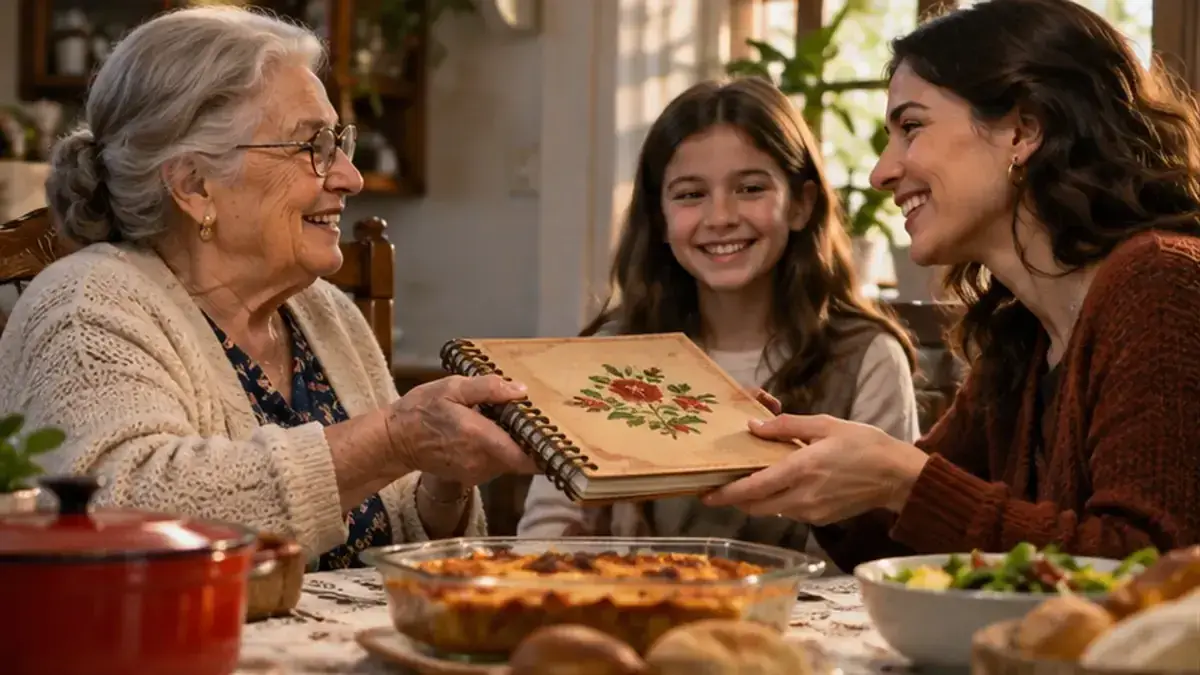
Family rituals do not have to be big celebrations. A Sunday coffee, a weekly call with the grandparents, a recipe passed from hand to hand or a song that always plays on the same occasion already do the job of saying: here is a group that recognizes itself. The challenge is to create practices that are pleasant to repeat, fit into real routines and include different generations, without turning affection into a chore.
A ritual is not an obligation
The difference between a ritual and an obligation is freedom. When everyone understands the gesture as an invitation, repetition builds pleasant anticipation. When it becomes a demand, the effect is usually the opposite. It helps to talk with the family about what each person truly enjoys, instead of copying a ready-made model, and to accept that some gatherings will be shorter, simpler or even cancelled.
Start small and repeat
Choose a gesture that fits into a few minutes and can be repeated without effort: one screen-free meal a week, a question of the day at dinner, a board-game night once a month. The strength of a ritual comes more from regularity than from production. If the first gathering is simple, it will be easier to sustain, and the family can gradually expand what worked.
Include every generation
Children like concrete roles, such as choosing the music or helping with the recipe. Teenagers value autonomy and respond better to proposals that respect their time. Adults can share the organizing so it does not always fall on the same person. Older relatives often contribute stories, recipes and memories, and feel valued when they sense that their participation is wanted, not merely tolerated.
When distance gets in the way
Families separated by cities or countries can keep rituals going through video calls, voice messages or shared albums. What matters is agreeing on a workable time and accepting imperfections, such as connection problems or different time zones. A ritual that is possible at a distance, even a smaller one, is usually better than an ideal that never happens.
Record it without making it a show
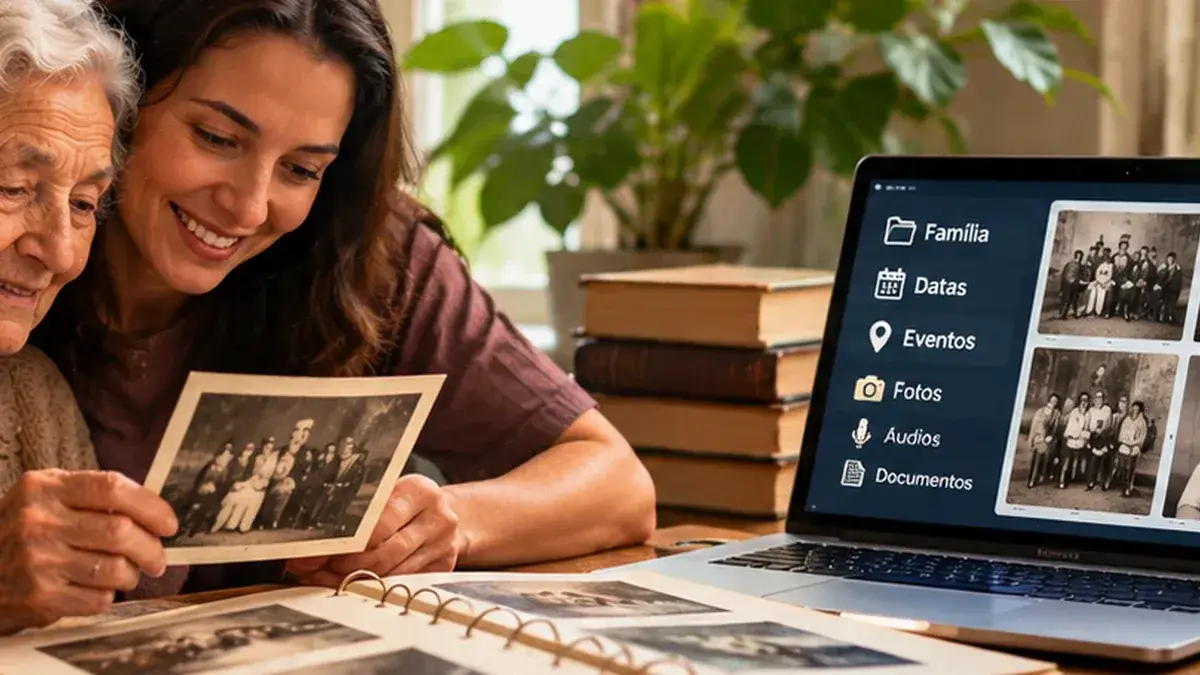
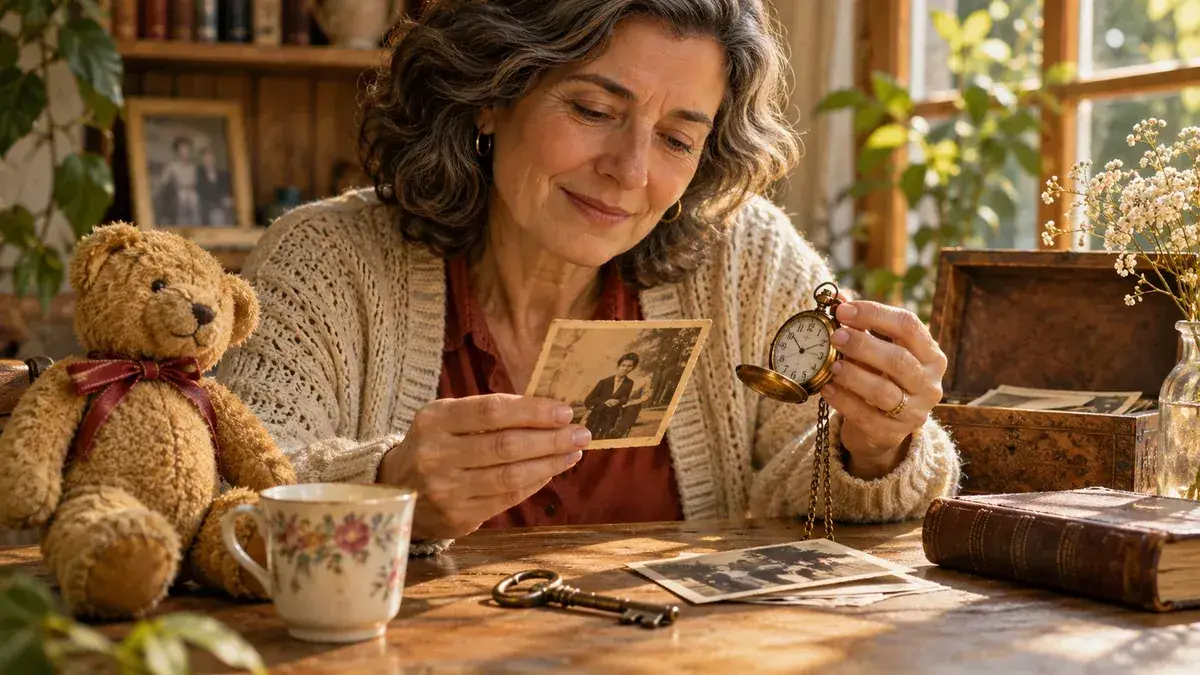
Photos, short recordings and notes help preserve memories, but it is good to ask the people who appear in them whether they agree. Keeping what was said at the table, a handwritten recipe or a simple video can be more valuable than a perfect album. The goal is to remember, not to produce content.
When to adapt or pause
Losses, conflicts, changes of belief or routine can make an old ritual uncomfortable. In those cases, talking and adapting is usually healthier than insisting. In situations of grief or strong tension, seeking support from a professional can help the family decide what to keep, what to change and what to set aside.
Frequently asked questions
How long does a ritual need to last?
Long enough to be enjoyable. Many last only a few minutes and work because they are repeated.
What if someone does not want to take part?
Invite without pressuring and listen to the reason. Sometimes a small change of time or format solves it.
Do rituals have to be connected to tradition or religion?
No. A family can invent its own, as long as they make sense to the people involved.