Why ordinary objects can hold important stories
The story matters more than the price
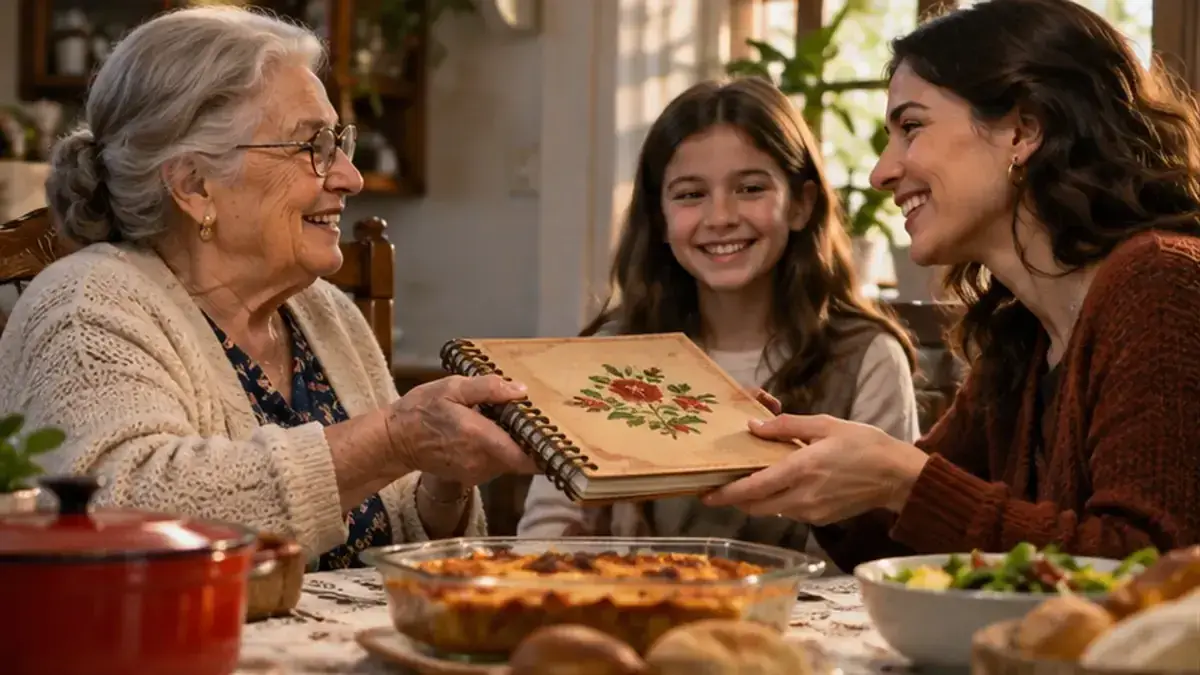
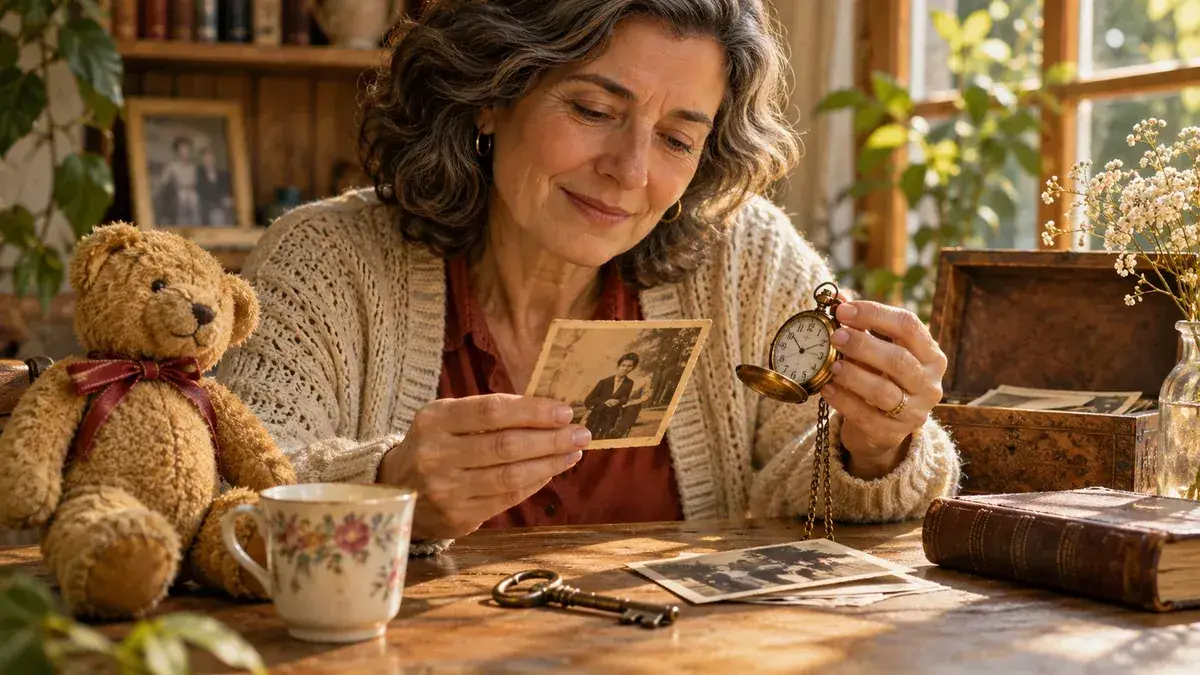
A chipped cup, an old key or a recipe notebook may seem unremarkable to someone who does not know its origin. To another person, it may recall a move, a job or a family celebration. Its value does not necessarily depend on rarity, age or price. Meaning comes from the relationships and experiences people connect with the item. An object cannot tell its whole story alone. Conversations about who used it, when it mattered and why it traveled between people can turn a private memory into a story later generations can understand.
Context turns an item into a keepsake
Imagine an apron stored in a drawer. Without explanation, it might look like worn fabric. When someone explains that it was used for decades in a neighborhood bakery, questions arise about work, food and local life. The Library of Congress encourages families to explore letters, toys, tools and photographs as starting points for family history. That does not make every object a complete historical record. Names, dates and memories may differ between relatives. Record the account as a personal perspective and consult independent documents when factual precision is important.
Ask before deciding what to keep
Before discarding an item, ask people who knew it whether a story is attached. Open questions are more useful than an interrogation: who chose it, when was it used and what changed afterward? Allow unexpected answers and respect the right not to share. Some belongings are connected to grief, disagreements or experiences people prefer to keep private. There is no obligation to save everything or force relatives to agree on a single interpretation. The aim is thoughtful selection rather than filling rooms with unidentified possessions that nobody can organize, protect or revisit.
Document origins and uncertainties
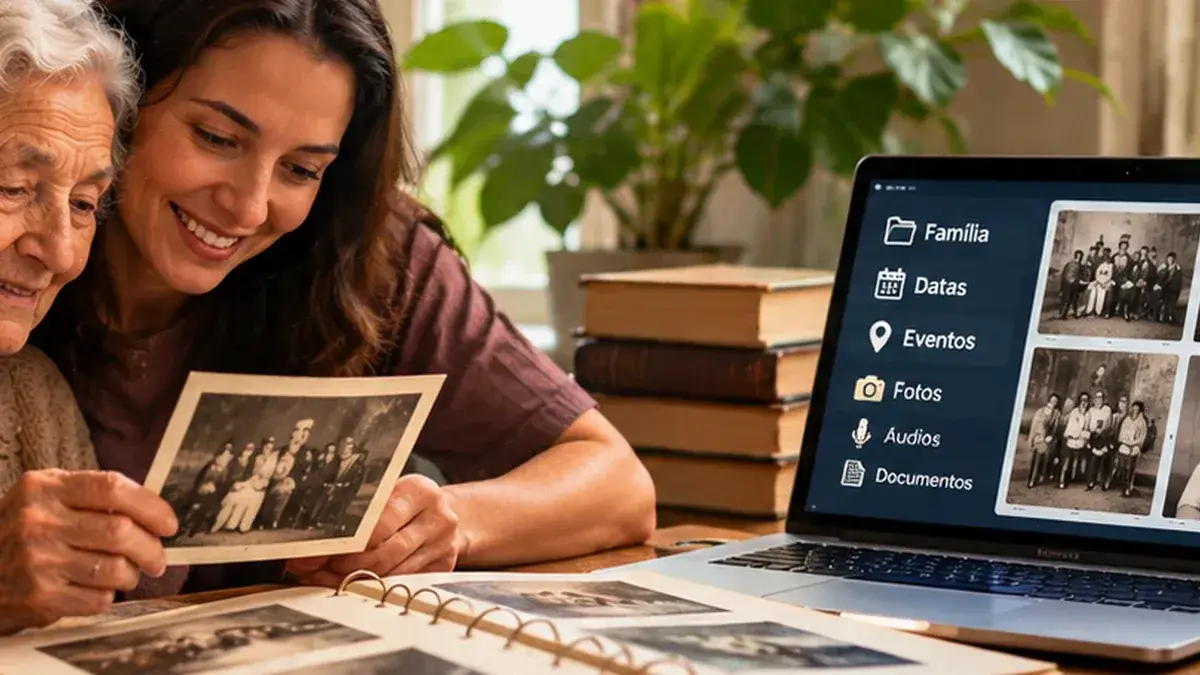
A separate label, digital record or small notebook can capture the item's family name, approximate origin, possible dates and the account of the person who described it. Clearly distinguish an estimate or oral tradition from a verified fact. Photograph several sides and include a sense of scale when useful. With permission, record who told the story and the date of the conversation. This context helps future relatives understand why an otherwise ordinary object was preserved. Resist the temptation to fill gaps in memory with invented certainty or a tidier narrative.
Protect materials without damaging them
Paper, photographs, textiles and metals can require different care. The US National Archives advises families to avoid hot attics, damp basements, leaks and unsuitable storage when preserving family archives. Appropriate folders and boxes can help protect vulnerable papers and photographs. The Library of Congress warns that adhesives, tapes and certain mounting materials may damage originals. Do not wash, repaint, polish or repair an unfamiliar old item simply to make it look new; some changes cannot be reversed. If something is fragile, moldy or historically significant, seek conservation advice before handling it.
Sharing requires respect for privacy
A photograph of a handwritten letter might be shared with relatives, but that does not automatically justify posting it online. Notes and notebooks may contain addresses, intimate details and references to living people. Agree on what can be shared, with whom and for what purpose. Digitization can reduce repeated handling of the original, but digital copies still need clear file names, secure storage and backups. When several people are part of the same story, recognize that their memories and preferences may differ. Protecting trust matters as much as preserving the physical item.
Begin with three meaningful objects
Choose three items and write a short description of each: what it is, who used it and which experience it recalls. Invite another person to contribute a different perspective without demanding complete agreement. A small, well-documented collection may be more useful than many unlabeled boxes. If a family considers donating material to a museum or archive, contact the institution first to learn about collection and access policies. The goal is not to turn every home into a museum, but to preserve meaningful relationships and stories that might otherwise disappear.
Frequently asked questions
Must an object be old to matter? No; a recent keepsake can represent an important event. Must I save everything a relative owned? No; consider space, consent and preservation needs. Does a photograph replace the original? It records appearance but may miss texture, marks and materials. Can I post an old letter online? Check privacy, rights and relevant permissions first. What is the easiest way to begin? Select one object, speak with someone who remembers it and record the story, including what remains uncertain.