The Convenience Tax Hidden in Everyday Spending
Small premiums for speed and ease can quietly become a large recurring expense.

A useful idea is not valuable only because it sounds right. Its value appears when it changes how we see, decide or act.
The challenge is creating enough distance from automatic habits to notice what is actually happening.
Convenience is valuable
Delivery, subscriptions, instant transport, prepared food and one-click services can genuinely save time. Paying for convenience is not automatically wasteful; sometimes it is an excellent exchange of money for energy or time.
The problem is invisibility
The issue appears when dozens of small premiums disappear into normal spending. Because each decision feels minor, the monthly total can grow without ever feeling like a deliberate lifestyle choice.
Audit the pattern
Look at a month of transactions and mark purchases where you paid primarily for speed, immediacy or reduced effort. Do not judge them individually. Add them. The total reveals whether convenience is serving your priorities or simply becoming the default.
Buy convenience deliberately
The goal is not to eliminate convenience. Decide which forms meaningfully improve your life and which you barely notice. Intentional convenience can be valuable; invisible convenience is simply another recurring cost.
From our library

João: An Ordinary Man, A Simple Life
A moving literary portrait of an ordinary man whose quiet choices, family bonds, work, and constancy reveal the extraordinary weight of a simple life.

What Remains: A Crossing Toward the Essence That Endures Time
A philosophical journey toward what remains when noise, roles, urgency, and the need for control begin to fall away.
Keep exploring

The Lifestyle Upgrade That Quietly Becomes a Monthly Obligation
Lifestyle improvements often arrive one reasonable expense at a time. Understanding recurring commitments can help income growth create more freedom instead of only more obligations.
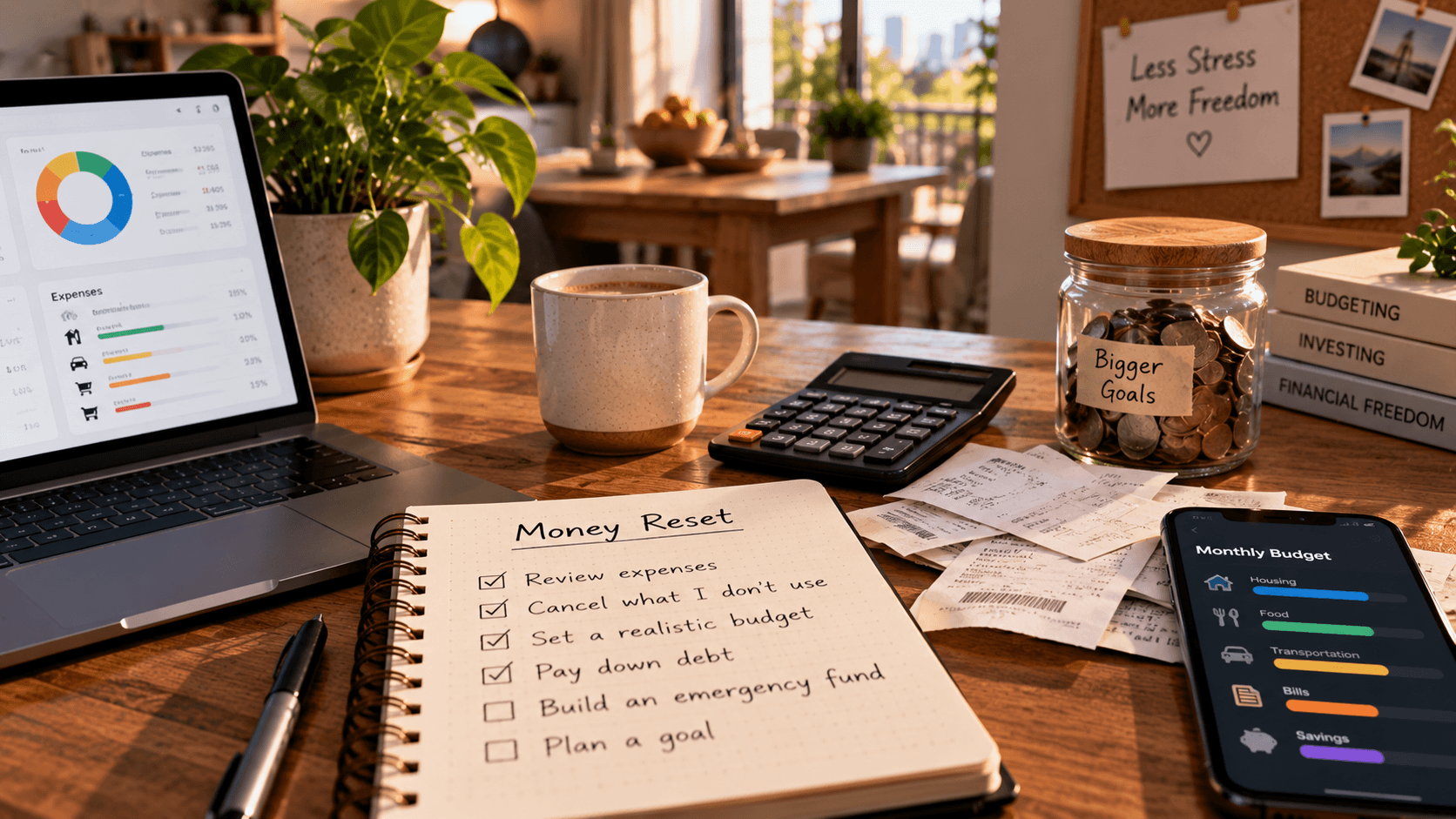
A Simple Money Reset for When Your Finances Feel Messy
A practical five-step reset for regaining visibility over expenses and priorities.

How to Organize Your Finances From Scratch
Money management doesn't begin with investing. It begins with knowing what comes in, what goes out, what could go wrong and what you want your money to build.
Related books
João: An Ordinary Man, A Simple Life
A moving literary portrait of an ordinary man whose quiet choices, family bonds, work, and constancy reveal the extraordinary weight of a simple life.
What Remains: A Crossing Toward the Essence That Endures Time
A philosophical journey toward what remains when noise, roles, urgency, and the need for control begin to fall away.