
Sports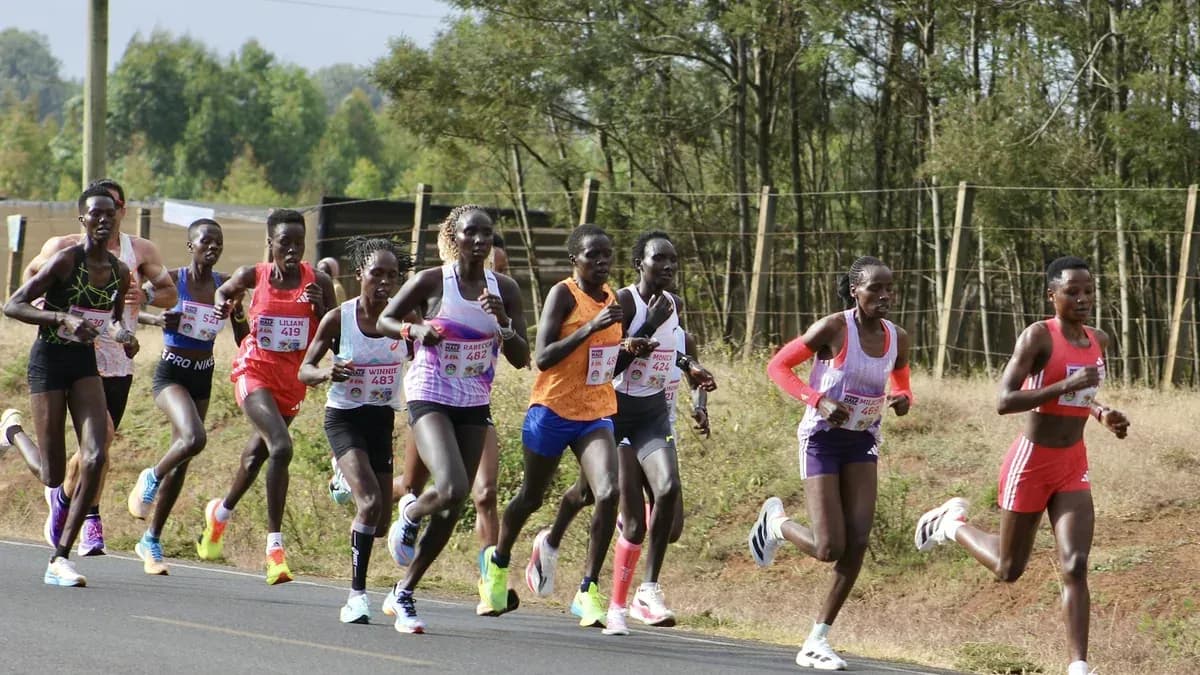
What endurance sports are and how their events differ
Marathons, triathlons, long-distance cycling and ultras demand preparation, strategy and attention to health. See what unites and separates them.
Beginner's guide✓ Reviewed by HumaneviInterpretation
Short answer: endurance sports are activities in which performance depends on the ability to sustain effort for long periods, such as long-distance running, cycling, open-water swimming, triathlon and ultra events. Events differ in distance, duration, terrain, intensity and logistical demands. This text is general and does not replace medical advice or advice from a fitness professional.
What unites these activities
- Prolonged effort, generally aerobic.
- The importance of pacing, nutrition and hydration.
- The need for gradual preparation and recovery.
- The role of the mental side: persistence and control of effort.
Types of event
- Road races. From 5 and 10 kilometers to half marathons and marathons (42.195 km). Generally on asphalt, with aid stations.
- Trail races and ultras. They cover natural terrain, with climbs, descents and variable weather. Ultras exceed marathon distance and can last many hours or days.
- Road and long-distance cycling. Events from tens to hundreds of kilometers, with aerodynamics and group strategy.
- Endurance mountain biking. Combines technique and stamina on uneven terrain.
- Open-water swimming. In rivers, lakes and the sea, with conditions such as current and water temperature.
- Triathlon. Combines swimming, cycling and running, with transitions between stages, at different distances.
- Cross-country skiing, rowing and other activities that demand prolonged effort.
What changes between events
- Duration and distance. Defines nutrition, pace and risk.
- Terrain and weather. Heat, cold, altitude and relief change the effort.
- Support. Some events have hydration and food stations; others require self-sufficiency.
- Equipment. Specific shoes, bike, clothing and accessories.
- Strategy. Pace control, planning of stops and energy management.
Preparation and care
- Get a medical assessment before starting intense training, especially if you have risk factors.
- Increase the load gradually, alternating training and rest.
- Hydrate and eat according to the length of the effort.
- Practice nutrition and equipment before the event.
- Respect signs of pain, dizziness or feeling unwell and stop the effort when needed.
- Consider professional guidance.
Counterpoints
Endurance sports bring benefits, but they demand time, discipline and attention to injuries. The choice should respect your goals and your limits.