
The Humanevi newsletter
Weekly
Once a week: 5 things worth your time, not your feed. No noise, unsubscribe anytime.
1 story, 1 idea, 1 discovery, 1 tool, 1 book.
The Humanevi newsletter
Once a week: 5 things worth your time, not your feed. No noise, unsubscribe anytime.
1 story, 1 idea, 1 discovery, 1 tool, 1 book.
Enter your debts and see how long, and how much interest, each payoff strategy takes.
On top of the minimum payments — this amount is directed at one debt at a time under each strategy.
Targets the highest interest rate first — pays the least total interest.
Targets the smallest balance first — clears a debt sooner, for momentum.
This is an educational simulation with a constant interest rate — it doesn't account for promotions, renegotiations, or rate changes. Use it to compare strategies, not as an exact forecast.
Built for anyone juggling several debts who wants to know which payoff order costs less or keeps motivation higher. The tool compares the avalanche and snowball strategies side by side for up to three debts, showing how many months it takes to be debt-free and how much interest you pay on each path.
For each debt you enter the balance, the annual interest rate and the minimum monthly payment, plus any extra amount you can spare each month. Every month interest is added to the balance and the minimums are paid. The extra goes to one debt at a time: the highest rate under avalanche, the smallest balance under snowball. You get months, total interest and total paid.
Picture a 5,000 debt at 24% a year with a 150 minimum, and a 2,000 debt at 12% with a 60 minimum, plus 100 extra a month. Avalanche clears everything in 31 months with about 1,851 in interest. Snowball takes 35 months and roughly 2,372 in interest. The gap comes from hitting the costliest rate first.
This is a simulation with fixed rates and no new purchases or fees. If minimums do not cover interest, the run stops at a 50-year cap. It is not financial advice, and negotiating a debt can change the picture.
A ceramic piggy bank makes small saving goals tangible at home. A practical category guide to help compare options before choosing a specific listing.
A small, flexible piggy bank designed to make saving coins tangible for children. A practical option for introducing everyday money habits through a simple, hands-on activity.
A financial calculator can speed up interest and cash-flow calculations. A practical category guide to help compare options before choosing a specific listing.
A monthly budget planner makes income and expense categories visible on paper. A practical category guide to help compare options before choosing a specific listing.

A 1937 classic in which Napoleon Hill gathers principles of personal achievement, such as a definite desire, persistence and the power of a mutual-support group.

A collection of parables set in ancient Babylon that teach, in plain language, the basic habits of saving money and putting it to work.

Robert Kiyosaki's Rich Dad Poor Dad contrasts two attitudes toward financial education, work and assets. It encourages readers to ask what they learned about spending, income and building long-term financial options.
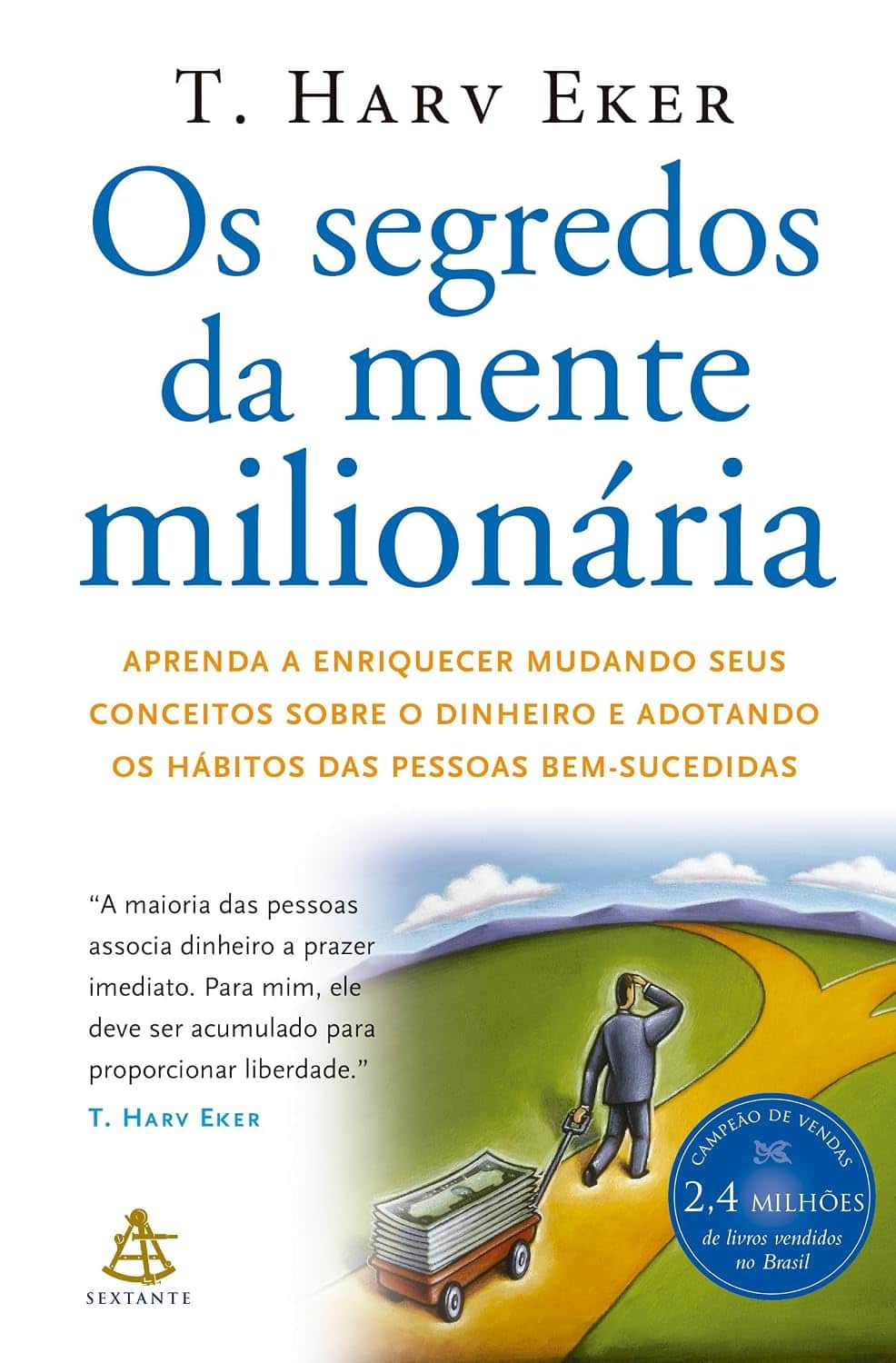
T. Harv Eker's book argues that beliefs absorbed in childhood shape each person's relationship with money and what they manage to build.
Credit may help bring forward a goal, but it commits future income. The most useful questions go beyond approval: total costs, collateral, repayment terms and what happens if circumstances change.
Before taking credit, review the documents and scenarios that determine whether repayment fits your budget. This checklist makes offers easier to compare without promoting any lender.
The easiest-looking loan is not always the safest. These mistakes can turn a short-term solution into a long-term burden; each has a practical warning sign.
Talk about it