Mild, full and plug-in hybrids: the real differences
Hybrid does not describe just one technology
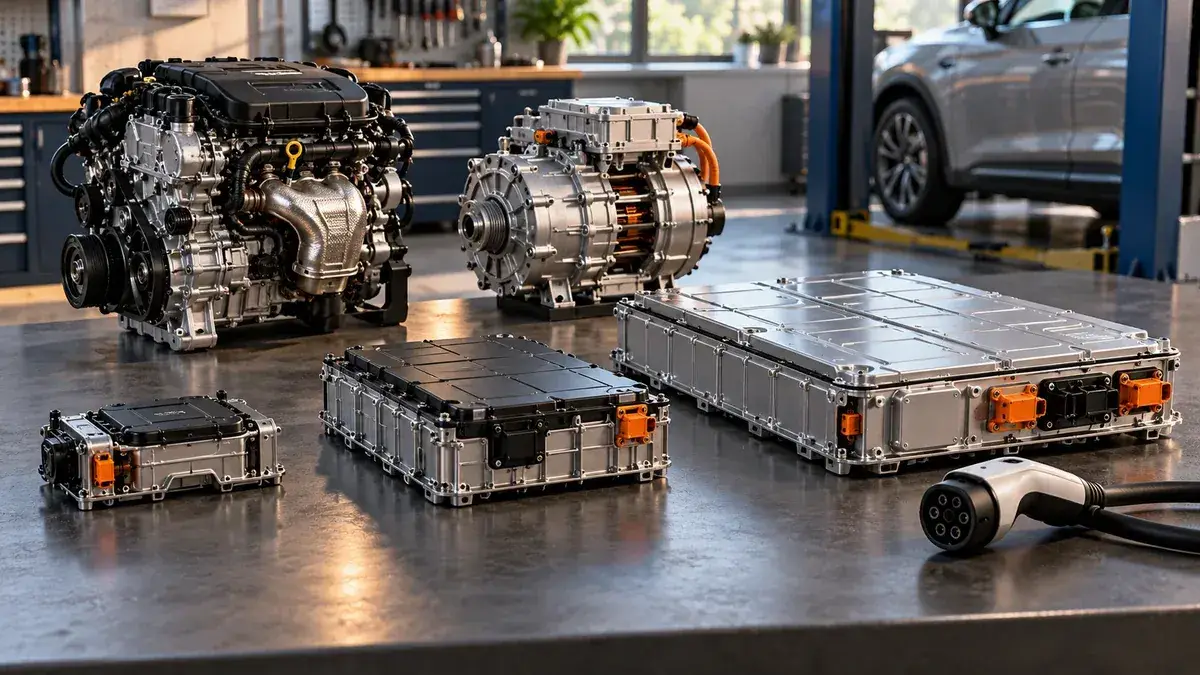
Two vehicles marketed as hybrids may operate in very different ways. Some use a small electrical system mainly to assist a combustion engine; others can move the wheels briefly without burning fuel. Plug-in models can also take electricity from the grid and cover part of a daily journey using that stored energy. These distinctions affect fuel use, maintenance, price and charging needs. Before comparing brands, identify the actual powertrain architecture. A marketing badge cannot replace the technical specification, particularly when manufacturers use proprietary names for systems with similar functions.
Mild hybrids provide assistance, not electric-only driving
A mild hybrid, often labelled MHEV, uses a battery and motor-generator to support selected functions of the powertrain. Depending on the design, it can recover some energy while slowing down, assist acceleration and allow the combustion engine to switch off during stops. The United States Department of Energy explains that a mild hybrid cannot propel the vehicle using electricity alone. Fuel savings are generally more modest than those of comparable full hybrids, although results depend on the model and journey. These vehicles are not normally charged by connecting them to an external electrical outlet.
Full hybrids can use the electric motor for propulsion
A full hybrid, commonly called an HEV, combines a combustion engine with an electrical system capable of driving the wheels by itself under certain conditions, often for short distances at low speed. Its battery is replenished through regenerative braking and operation of the powertrain rather than plugging into the grid. Electronic controls determine how the energy sources work together. This can be advantageous in urban traffic with frequent stops, but it does not mean long electric-only range. Exact behaviour varies across series, parallel and combined hybrid configurations.
What regenerative braking actually recovers
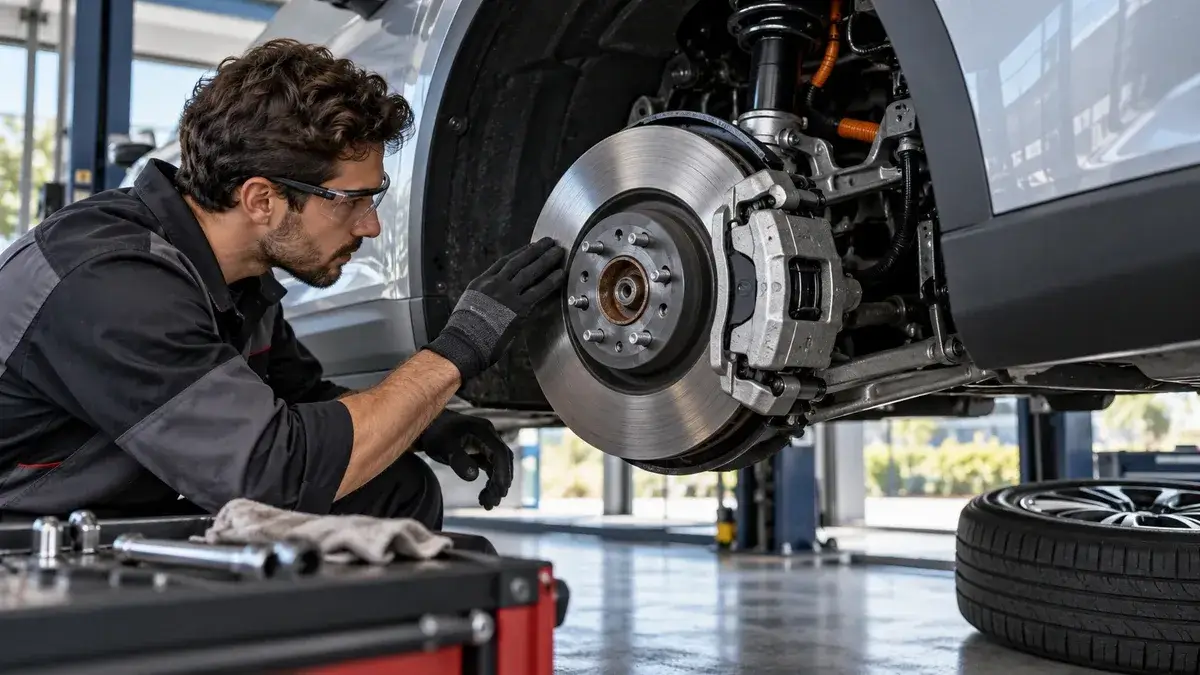
When the vehicle slows down, an electric motor can act as a generator, converting some motion energy into electricity stored in the battery. The process captures energy that a conventional vehicle would otherwise dissipate mainly as heat through its brakes. It does not create free or unlimited energy: physical losses and operating limits remain. The benefit depends on driving conditions, battery capacity and control strategies. Steady motorway journeys offer fewer braking opportunities than stop-and-go traffic, although speed, aerodynamics and other factors also influence overall efficiency.
Plug-in hybrids change the charging routine
A plug-in hybrid, or PHEV, has a battery that can be charged from the electricity grid as well as a combustion engine. Many models can complete part of a journey using primarily electric power before consuming more fuel, but available range varies widely. Some blend gasoline and electricity even when the battery has charge. The US Environmental Protection Agency recommends examining electric-mode and gasoline-mode efficiency separately. To make the technology useful, drivers should consider safe charging access, electricity prices and daily travel distance. Without regular charging, expected savings may be much smaller.
Comparing efficiency without misleading numbers
A single advertised figure can conceal different testing assumptions. Conventional hybrids are usually compared through fuel economy, while plug-ins may report separate ratings for electric and gasoline operation. In the United States, the EPA uses MPGe to compare electrical energy with the energy content of gasoline; this is not a measure of actual litres of gasoline burned. Temperature, speed, terrain, payload and charging habits change real-world results. Compare equivalent vehicle versions, read the testing methodology and calculate total running costs rather than relying on the most attractive headline number.
Batteries, warranties and servicing still matter
Electrical components do not eliminate the mechanical systems found in hybrid cars. Check the service schedule, battery warranty, available technicians and manufacturer procedures for the particular model. For a used vehicle, documented maintenance and an independent inspection can help reveal risks. It would be wrong to assume that every battery has the same lifespan or a standard replacement price. Access to parts and qualified repair facilities also varies by location. Confirm warranty conditions in writing before purchase, and never attempt to handle high-voltage components without appropriate professional training.
Choosing a system that fits real needs
Drivers without dependable charging may compare mild and full hybrids using actual fuel economy, price and the type of driving they do most often. Those who can charge regularly and whose trips fit the available electric range may find a plug-in worth evaluating. No architecture is automatically best for everyone. Include purchase price, insurance, local taxes, servicing, energy and access to repairs. A test drive and complete technical specification are more informative than the hybrid label alone. A sensible decision begins with the owner's real travel patterns and local infrastructure.