When a dashboard warning light requires stopping immediately
Not every lit light is an emergency, but some require you to stop safely and not keep driving.
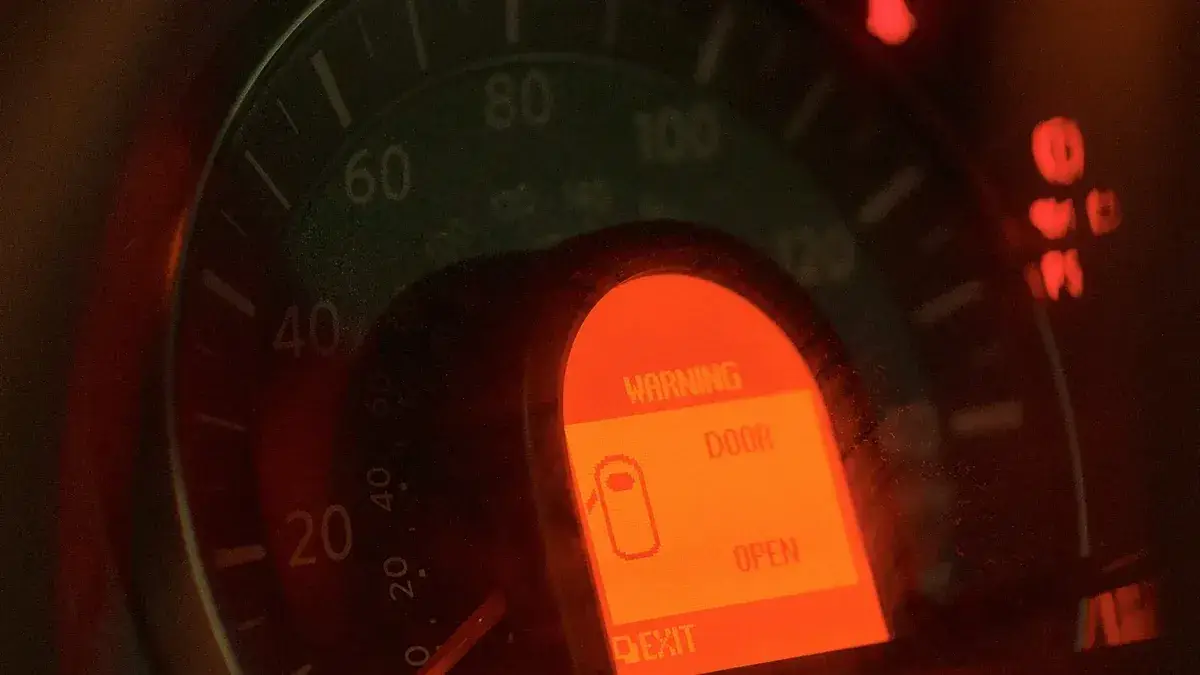
Short answer: red lights on the dashboard usually indicate serious problems that need immediate attention. Those most associated with the need to stop safely are the oil pressure light, the engine temperature light and the brake system light. Symbols and colors vary between vehicles, so your car's manual is the reference. This text is general and does not replace a mechanic.
The color code
In general:
- Red: a potentially serious or safety problem. Stop in a safe place as soon as possible.
- Yellow or orange: attention or maintenance needed. Have it checked soon.
- Green or blue: information that a system is on, such as headlights.
Lights that usually call for an immediate stop
- Oil pressure. Indicates a drop in pressure or a very low level. Continuing to drive can seriously damage the engine. Stop, switch off the engine and do not restart it until it is checked.
- Engine temperature. Overheating can cause serious damage. Stop in a safe place, switch off and wait for it to cool before opening the reservoir, since the coolant can be hot and under pressure.
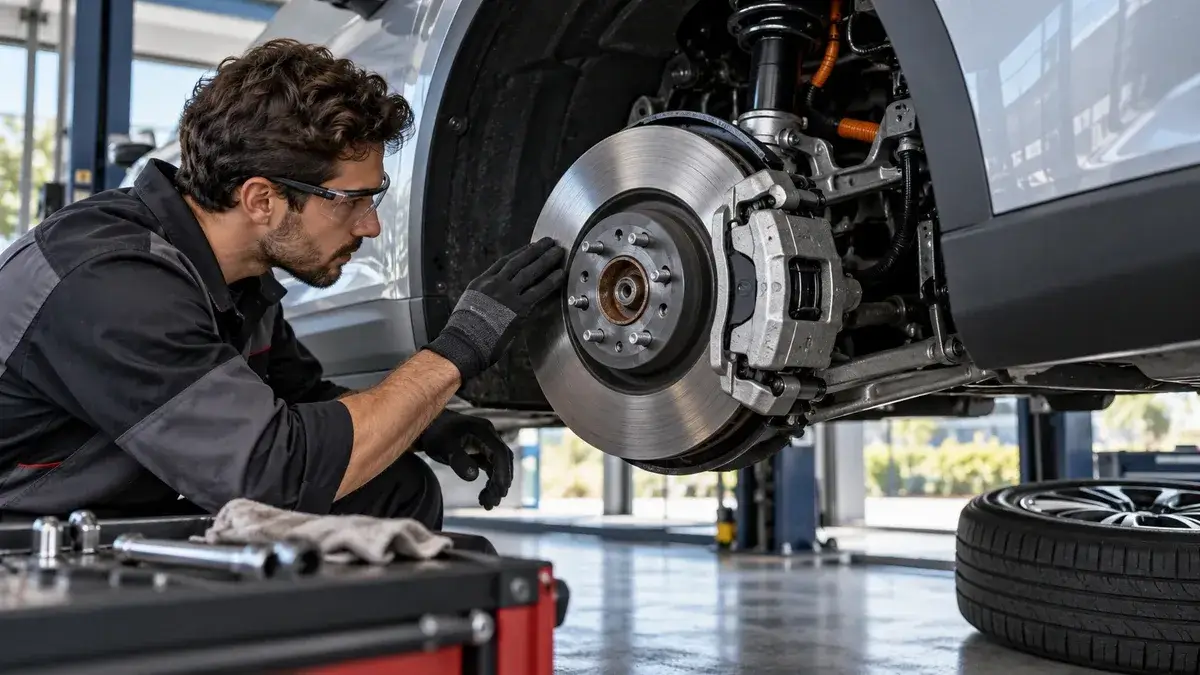
- Brake system. May indicate low fluid level, a system fault or the parking brake being on. If the parking brake is released and the light stays on, avoid continuing.
- Battery or charging. Indicates a charging fault; the car may stop within a short time. Go to a safe place and seek assistance.
- Power steering, airbag and other safety systems. May call for immediate attention, according to the manual.
What to do when you see a red light
- Slow down calmly and look for a safe place to stop, such as the shoulder or a station.
- Turn on the hazard lights and use the warning triangle, if needed.
- Switch off the engine, if the manual says so.
- Consult the manual to identify the symbol.
- Ask for assistance or a tow instead of risking continuing.
Counterpoints
A lit light may be a sensor fault and not a system fault, but only a mechanic can confirm that. When in doubt, the cost of stopping is lower than that of a serious repair or an accident. Yellow lights also deserve attention, just with less urgency.
Conclusion
Knowing your dashboard lights is a form of safety. Read the manual calmly before you need it.