Not Every Meeting Needs to Exist
A meeting is a tool, not the default container for every kind of work.

A useful idea is not valuable only because it sounds right. Its value appears when it changes how we see, decide or act.
The challenge is creating enough distance from automatic habits to notice what is actually happening.
The hidden cost
A thirty-minute meeting with eight people does not cost thirty minutes. It consumes four collective hours before considering preparation and context switching. That does not make meetings bad; it makes them expensive enough to deserve a purpose.
Use meetings for interaction
Meetings are strongest when people need to debate, decide, resolve ambiguity, create together or handle sensitive conversation. They are weaker when everyone is simply receiving information that could have been read asynchronously.
Move information out of the room
Status updates, background material and routine reporting can often live in documents, dashboards or concise written updates. This gives people control over when they consume information and preserves synchronous time for interaction.
A better test
Before scheduling, ask what must happen live. If the answer is unclear, the meeting may be a habit rather than a necessity. Better collaboration is not fewer meetings at any cost; it is using synchronous attention where it creates something asynchronous communication cannot.
From our library

João: An Ordinary Man, A Simple Life
A moving literary portrait of an ordinary man whose quiet choices, family bonds, work, and constancy reveal the extraordinary weight of a simple life.
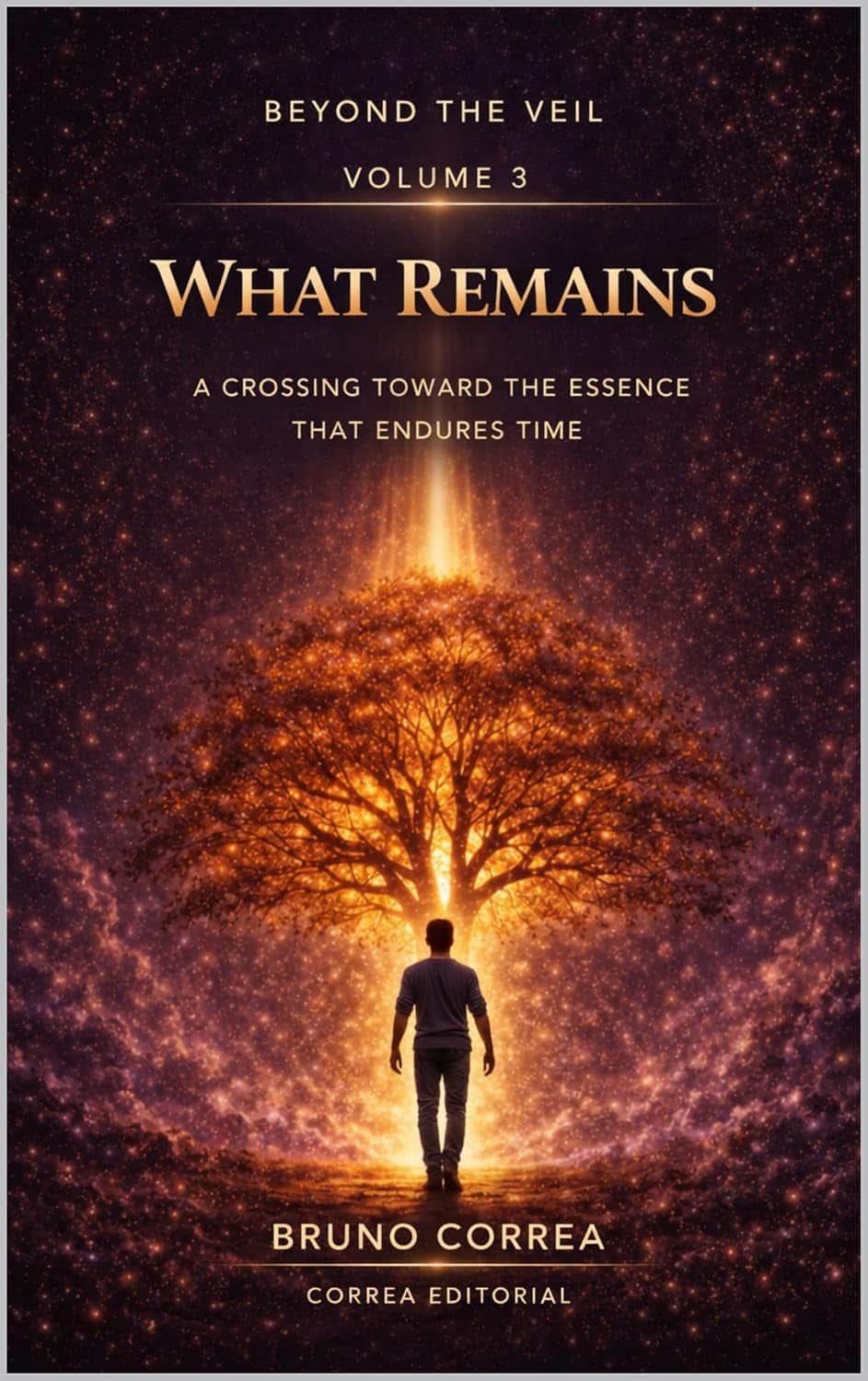
What Remains: A Crossing Toward the Essence That Endures Time
A philosophical journey toward what remains when noise, roles, urgency, and the need for control begin to fall away.
Keep exploring

Your Career Does Not Need a Perfect Five-Year Plan
Long-term career plans can provide direction, but treating them as fixed scripts can create unnecessary pressure. A more resilient approach combines a clear direction with shorter learning cycles and regular reassessment.

The Most Valuable Career Skill Is Knowing What to Learn Next
Learn to choose the next useful career skill instead of chasing every trend.

How to Build a Career When You Don't Know What You Want
The pressure to decide what to do with your life can make career choices feel impossible. You may not need a permanent answer — only a next step that is good enough to explore.
Related books
João: An Ordinary Man, A Simple Life
A moving literary portrait of an ordinary man whose quiet choices, family bonds, work, and constancy reveal the extraordinary weight of a simple life.
What Remains: A Crossing Toward the Essence That Endures Time
A philosophical journey toward what remains when noise, roles, urgency, and the need for control begin to fall away.
Related collections
Take it further
Talk about it