Earning More Money Does Not Automatically End the Feeling of Not Having Enough
Income can grow faster than security when expectations rise at the same time.

Many people carry a private financial promise: when I earn a little more, I will finally feel calm.
Sometimes that is true. More income can remove real pressure. It can pay debts, create an emergency fund, improve housing, protect a family and open possibilities that were previously unavailable.
But there is another pattern that appears after basic needs become more secure: income rises and the feeling of insufficiency survives.
The definition of “normal” moves
As income grows, lifestyle often grows with it. The apartment improves. The car changes. Restaurants become more expensive. Vacations change. Services that once felt luxurious become ordinary.
None of this is automatically wrong. The problem is when every improvement becomes the new psychological minimum.
If every increase in income immediately creates a more expensive definition of normal, progress can become difficult to feel.
Money solves many problems, but not the question of enough
Money can buy safety, comfort, time, convenience, experiences and options. These are meaningful benefits. But money cannot decide by itself when the chase should slow down.
That decision is partly mathematical and partly philosophical.
How much security do you want? Which experiences matter? Which purchases actually improve daily life? What are you willing to trade for higher income? How much future freedom is worth more than present consumption?
Financial freedom needs distance
One useful form of freedom is the distance between what you could spend and what you need to spend to feel okay.
That distance creates choices. It lets a raise improve savings rather than immediately becoming another obligation. It makes career changes less frightening. It allows setbacks without immediate collapse.
The goal is not permanent restraint
This is not an argument for never enjoying money. A financial life built only around deprivation can be as unhealthy as one built around constant expansion.
The deeper point is intentionality. Spending can grow because it reflects your values, not because comparison silently reset your standard.
Without a personal definition of enough, almost any income can feel small next to the next thing you learn to want.
Perhaps financial maturity is not only learning how to earn more. It is also learning which desires deserve to become permanent expenses and which ones can remain optional.
From our library

João: An Ordinary Man, A Simple Life
A moving literary portrait of an ordinary man whose quiet choices, family bonds, work, and constancy reveal the extraordinary weight of a simple life.

What Remains: A Crossing Toward the Essence That Endures Time
A philosophical journey toward what remains when noise, roles, urgency, and the need for control begin to fall away.
Keep exploring

The Lifestyle Upgrade That Quietly Becomes a Monthly Obligation
Lifestyle improvements often arrive one reasonable expense at a time. Understanding recurring commitments can help income growth create more freedom instead of only more obligations.
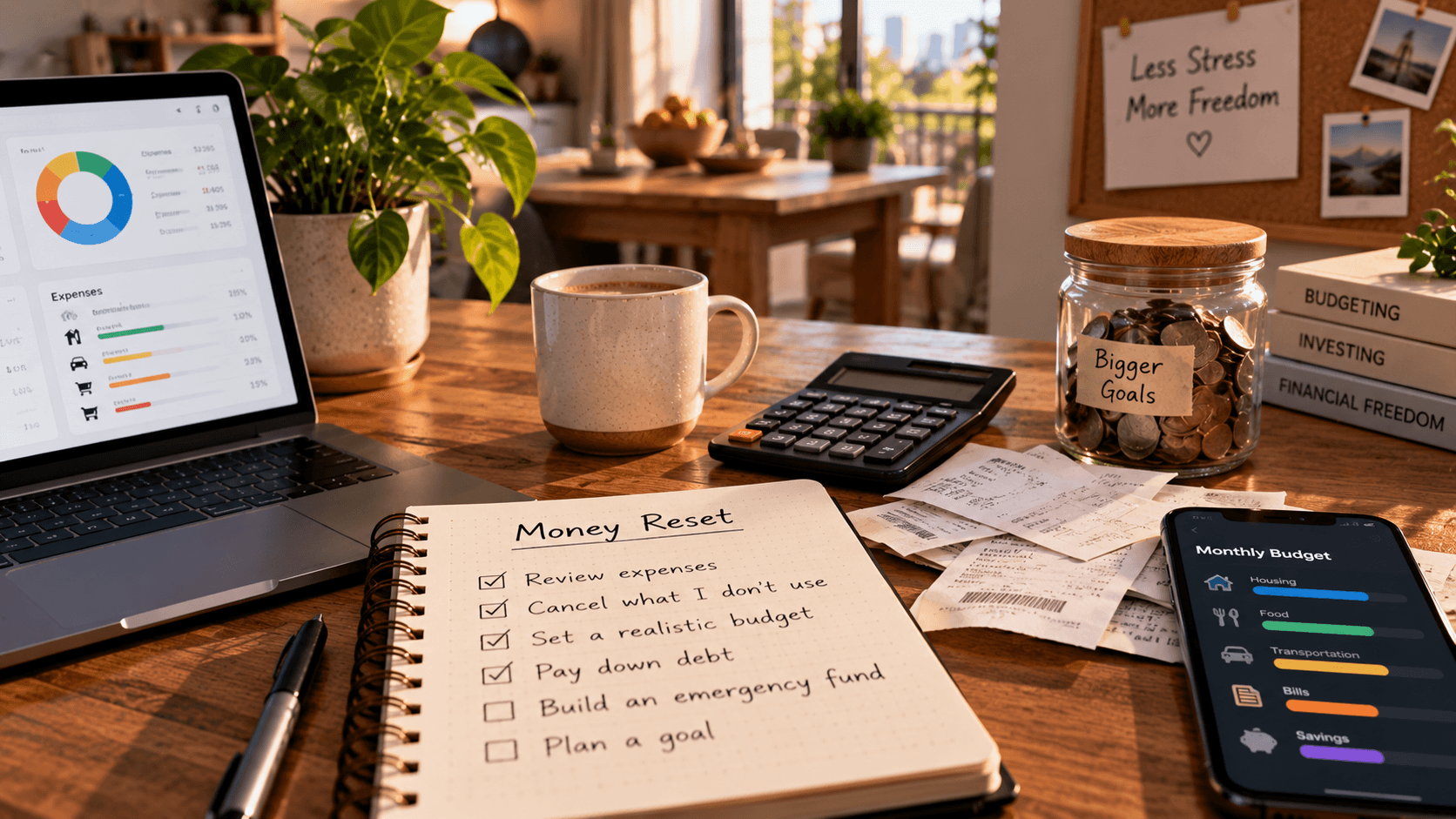
A Simple Money Reset for When Your Finances Feel Messy
A practical five-step reset for regaining visibility over expenses and priorities.

The Convenience Tax Hidden in Everyday Spending
Small premiums for speed and ease can quietly become a large recurring expense.
Related books
João: An Ordinary Man, A Simple Life
A moving literary portrait of an ordinary man whose quiet choices, family bonds, work, and constancy reveal the extraordinary weight of a simple life.
What Remains: A Crossing Toward the Essence That Endures Time
A philosophical journey toward what remains when noise, roles, urgency, and the need for control begin to fall away.