How to Decide Whether a Meeting Should Exist
A five-step test for replacing unnecessary meetings with clearer asynchronous work.

Meetings are useful when people need shared judgment, fast interaction or a real decision. They are expensive when they exist only to exchange information. Use this process before creating the next invite.
How to do it
1. Write the outcome in one sentence
Before scheduling anything, complete the sentence: 'By the end of this meeting, we will have…'. If the outcome is vague, the meeting is not ready.
Tip: A meeting without a desired outcome usually becomes status reporting.
2. Ask whether information can be read
If the main purpose is to share updates, write them in a document or message first. Reading is usually faster than listening to a sequence of status reports.
Tip: Send the update before the meeting and only meet if discussion remains.
3. Identify the decision owner
Every decision meeting needs someone with authority to decide or define the next move. Without that person, the group may discuss the same issue twice.
Tip: Name the decision owner in the invitation.
4. Invite only contributors
Include people who must decide, provide critical context or execute the immediate next step. Everyone else can receive the summary.
Tip: Smaller meetings usually make responsibility clearer.
5. Set a default shorter duration
Use 15 or 25 minutes unless the work genuinely needs more. End with the decision, owner and deadline written down.
Tip: Do not let the calendar's default duration choose for you.
Final checklist
- The outcome is explicit
- The information was shared before the call
- A decision owner is present
- Only necessary contributors are invited
- Decision and next action are documented
What you should have at the end
A repeatable test that helps your team reserve meetings for work that actually benefits from synchronous conversation.
From our library

João: An Ordinary Man, A Simple Life
A moving literary portrait of an ordinary man whose quiet choices, family bonds, work, and constancy reveal the extraordinary weight of a simple life.
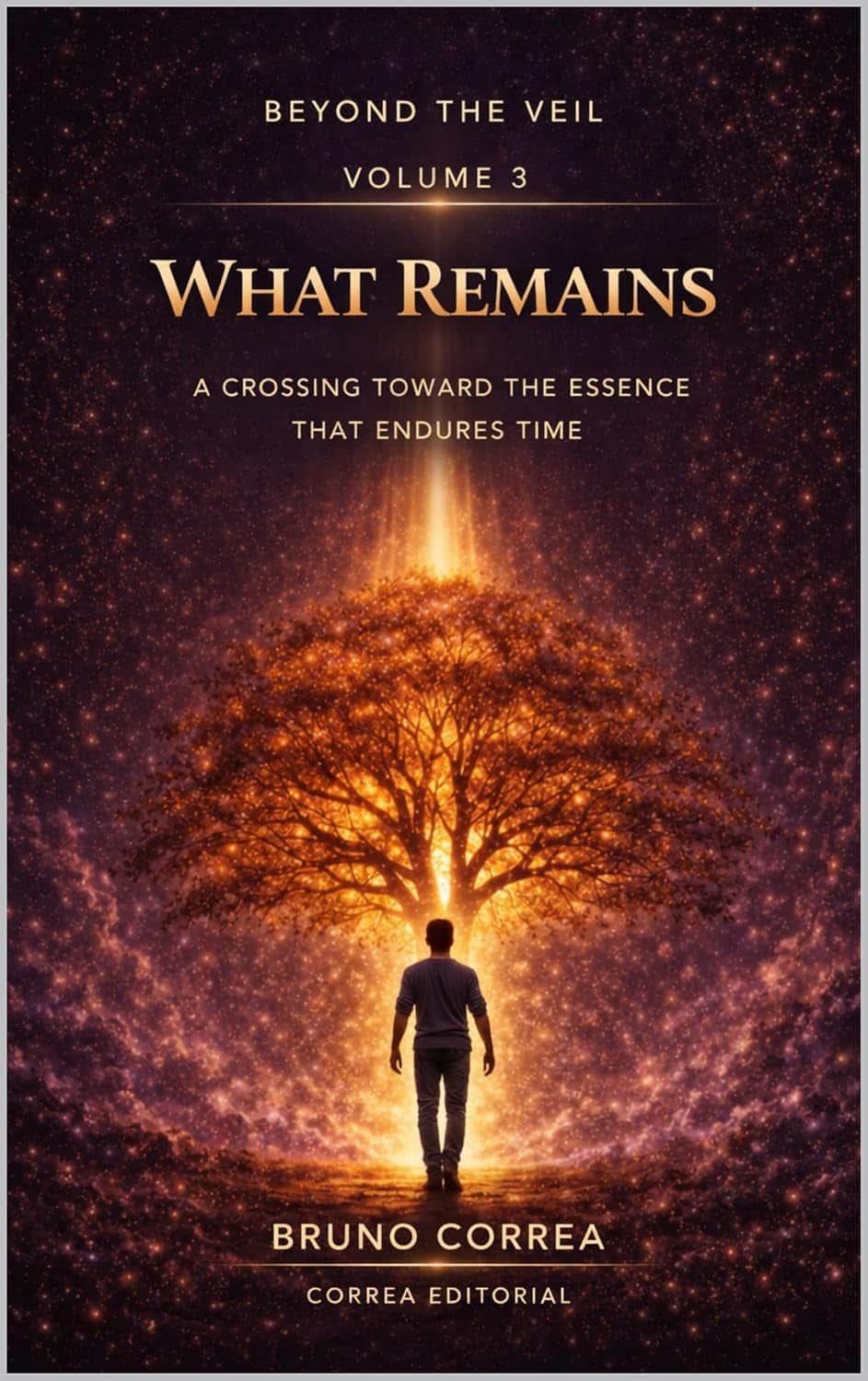
What Remains: A Crossing Toward the Essence That Endures Time
A philosophical journey toward what remains when noise, roles, urgency, and the need for control begin to fall away.
Keep exploring

The Most Valuable Career Skill Is Knowing What to Learn Next
Learn to choose the next useful career skill instead of chasing every trend.

Your Career Does Not Need a Perfect Five-Year Plan
Long-term career plans can provide direction, but treating them as fixed scripts can create unnecessary pressure. A more resilient approach combines a clear direction with shorter learning cycles and regular reassessment.

Not Every Meeting Needs to Exist
A meeting is a tool, not the default container for every kind of work.
Related books
João: An Ordinary Man, A Simple Life
A moving literary portrait of an ordinary man whose quiet choices, family bonds, work, and constancy reveal the extraordinary weight of a simple life.
What Remains: A Crossing Toward the Essence That Endures Time
A philosophical journey toward what remains when noise, roles, urgency, and the need for control begin to fall away.
Related collections
Take it further
Talk about it